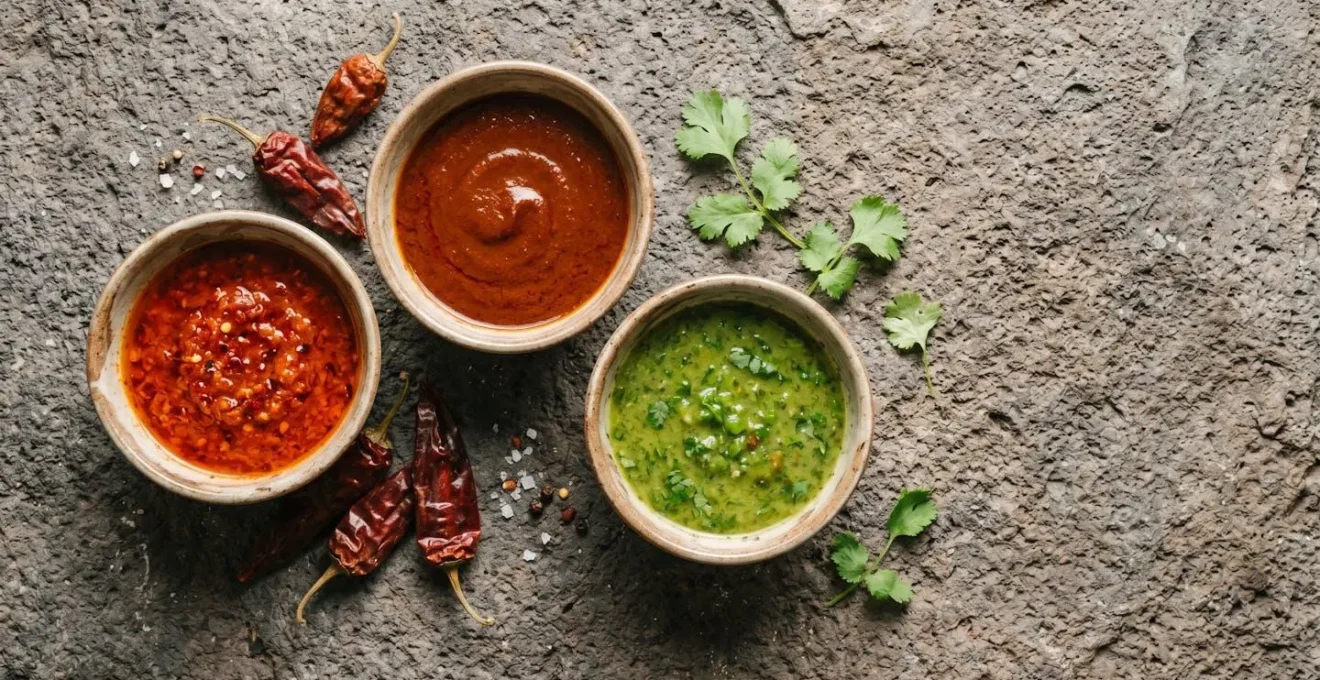
True Canarian mojo is not just a recipe; it’s a testament to its volcanic terroir and the specific soul of its peppers.
- The heat and flavor come from unique local peppers like pimienta picona and palmera, not generic chilies.
- The pairing rules are strict: bright, acidic Mojo Verde for delicate fish; robust, smoky Mojo Rojo for grilled meats.
Recommendation: To experience authentic mojo, seek out a legally-defined guachinche, where the sauce is a source of family pride, not a condiment.
You’re standing in a Canarian supermarket, staring at a wall of small jars. Mojo Rojo, Mojo Picón, Mojo Palmero, Mojo Suave. They all look red, but the labels whisper of different loyalties. You came for a taste of the islands, a fiery, garlicky memory to take home, but instead, you’re faced with a choice you don’t understand. The common wisdom you’ve heard is simple: red mojo is spicy, green is herby. This is the first tourist mistake. It’s like saying all wine is just fermented grapes.
As a chef who has spent a lifetime with these sauces, let me tell you the secret. The real character of a mojo isn’t its color, but its soul—the alma del pimiento, the specific variety of pepper that gives it life. Its flavor is a direct reflection of our unique terroir volcánico, something you cannot replicate with a jalapeño or a bell pepper. Forget the generic recipes you find online. They teach you to mix ingredients; I will teach you to understand them.
This guide isn’t just about cooking; it’s a lesson in culture. We will decode the heat levels, identify the authentic peppers, and master the unwritten rules of pairing. By the end, you won’t just be buying a souvenir; you’ll be taking home a piece of Canarian identity. You’ll know exactly which mojo to spoon over your fish, which to slather on your potatoes, and, most importantly, why.
To navigate the world of this iconic Canarian sauce, we will explore its fundamental differences, from the peppers that define its flavor to the cultural settings where it is most enjoyed. This structured approach will equip you with the knowledge of a local.
Summary: A Deep Dive into the Nuances of Canarian Mojo Sauce
- Mojo Picón vs Mojo Rojo: Which One Will Burn Your Tongue?
- Pepper Varieties: Why You Can’t Make Authentic Mojo with Bell Peppers?
- How to Keep Fresh Mojo from Spoiling Without Preservatives?
- Pairing Mojo with Meat vs Fish: The Culinary Rules
- Supermarket vs Market Stall: Where to Buy the Best Jarred Mojo?
- Listán Negro: What to Expect from the House Wine Served in Carafes?
- Grilled vs Fried: Which Cooking Method Respects the Fish Flavor Best?
- Eating in a Guachinche: The Rules of Rustic Canarian Dining
Mojo Picón vs Mojo Rojo: Which One Will Burn Your Tongue?
Let’s settle the great red mojo debate. Not all red mojos are created equal. The term Mojo Rojo (Red Mojo) is a broad family name, a general category for any mojo made with red peppers, garlic, oil, and vinegar. It can be mild and smoky or have a gentle warmth. However, Mojo Picón is a specific, fiery member of that family. The word “picón” means “spicy” or “sharp,” and it lives up to its name. While a standard Mojo Rojo might use the milder, smoky pimienta palmera, a true Mojo Picón is made with fresh, hot pimienta picona or similar small, fiery local chilies.
The heat difference is significant. A Mojo Picón delivers a sharp, immediate kick that awakens the palate. It’s not about a lingering, painful burn but a bright, clean fire. Chili experts confirm that peppers used for authentic picón can have a fiery range of 40,000 to 50,000 Scoville Heat Units, placing them firmly in the medium-hot category alongside cayenne. A Mojo Palmero, on the other hand, prioritizes a deep, smoky flavor over raw heat. So, if you’re looking for a serious kick, ask for Picón. If you want a rich, robust flavor with a gentler warmth, a general Mojo Rojo or a Mojo Palmero is your best bet.
- Mojo Suave & Mojo Verde: These are on the mild end of the spectrum, defined by their herby, acidic, and clean flavors.
- Mojo Rojo (general): A wide category with medium heat and deeper, smoky notes.
- Mojo Palmero: Distinctly medium heat with a characteristic smoky profile from dried pimienta palmera.
- Mojo Picón: The peak of the heat scale, offering sharp, immediate fire from fresh hot peppers.
Pepper Varieties: Why You Can’t Make Authentic Mojo with Bell Peppers?
Using a bell pepper to make mojo is like trying to make a fine wine with table grapes. It simply won’t work. The soul of an authentic mojo, its entire flavor identity, comes from specific, native Canarian pepper varieties (Capsicum annuum). The two most important are the Pimienta Palmera, a small, wrinkled, dried red pepper from La Palma known for its intense smoky sweetness, and the Pimienta Picona (or “puta la madre” chili, as it’s colorfully known), a small, fresh, fiery pepper that provides the signature heat of Mojo Picón.
These peppers are not just ingredients; they are a product of our unique volcanic terroir. A groundbreaking 2025 scientific study on the Pimienta Palmera identified a unique chemical compound not found in other peppers, confirming what Canarian chefs have always known: its flavor is inimitable. The volcanic soil, the specific microclimate, and generations of cultivation practices create a pepper with a depth that cannot be substituted. This is why a mojo made with generic paprika or cayenne pepper will always taste flat in comparison—it lacks the island’s soul.
For those cooking abroad, all is not lost. While you cannot find true Canarian peppers, you can create a respectable homage. For the smoky depth of Pimienta Palmera, a mix of rehydrated Spanish ñora or guajillo peppers combined with high-quality smoked pimentón de la Vera is a good start. For the heat of Pimienta Picona, fresh chile de arbol or bird’s eye chilies can provide a similar sharp kick. Always rehydrate dried peppers in hot water for about 20 minutes and scrape the flesh from the skin to extract every bit of flavor.
How to Keep Fresh Mojo from Spoiling Without Preservatives?
In my kitchen, we don’t use artificial preservatives. A fresh, artisanal mojo is a living thing, full of vibrant garlic and fresh peppers, and it deserves to be treated with respect. Commercial mojos on supermarket shelves are pasteurized and often contain stabilizers, giving them a long shelf life. But a fresh mojo, like one you’d buy from a market stall or make at home, will only last a few days in the fridge on its own. The enemy is oxygen, which causes the fresh garlic to turn and the flavors to dull.
The traditional Canarian solution is simple and elegant: el sello de aceite, or the oil seal. This method creates an anaerobic barrier that protects the sauce from the air. By pouring a generous layer of good quality olive oil over the surface of the mojo in its jar, you can extend its refrigerated life from a few days to two or three weeks. The oil acts as a natural cap, preserving the punchy, bright flavors underneath. When you want some mojo, simply spoon it out from under the oil layer, then smooth the surface and top up the oil if necessary to maintain the seal.
This technique is also essential for anyone wanting to bring fresh mojo home as a souvenir. Choose a sturdy glass jar with a good rubber seal and a clasp closure. Apply the oil seal before closing it tightly. Then, wrap the jar securely in bubble wrap or clothing and place it inside a sealed plastic bag—just in case. Pack it in the center of your checked luggage, cushioned by soft items. This way, you can bring the authentic taste of the Canaries back to your own kitchen.
Action Plan: The Traditional Oil Cap Preservation Method
- Transfer fresh mojo into a clean, sterilized glass jar with a tight-fitting lid.
- Pour a generous layer of olive oil (approximately 1 cm thick) on top of the mojo surface to create an anaerobic seal.
- Ensure the oil layer completely covers the sauce with no exposed areas to prevent oxidation.
- Store in the refrigerator at 4°C (40°F) or lower; the oil cap method extends freshness from days to 2-3 weeks.
- When using, scoop mojo from below the oil layer, then smooth the surface and add more oil if needed.
Pairing Mojo with Meat vs Fish: The Culinary Rules
The most common mistake visitors make is treating all mojos as interchangeable. There are unwritten rules—culinary laws, really—that govern which mojo goes with which dish. These pairings are not arbitrary; they are based on a deep understanding of flavor chemistry. The fundamental rule is this: bright, acidic Mojo Verde is for fish and seafood, while deep, smoky Mojo Rojo is for meat and potatoes.
Mojo Verde, made with cilantro or parsley, garlic, and a healthy dose of vinegar, has a sharp, herbaceous acidity. This acidity is perfect for cutting through the natural richness of grilled or fried fish. The fresh herbal notes complement the delicate flavor of seafood without overpowering it. Drizzling a robust Mojo Rojo over a beautiful piece of grilled cherne (wreckfish) would be a culinary crime—it would mask the fish’s subtle taste entirely.
Mojo Rojo, with its smoky depth from dried peppers and warming spices like cumin, is built to stand up to stronger flavors. It is the perfect partner for grilled pork, roasted rabbit, or a hearty steak. Its robust character clings beautifully to the crispy skin of papas arrugadas (wrinkled potatoes), the quintessential Canarian side dish. The only time you’ll see Mojo Rojo with fish is in a rich stew like Sancocho Canario, where the dish’s overall heartiness can handle the sauce’s power.
This table summarizes the core principles of mojo pairing, a fundamental aspect of Canarian cuisine as noted in comprehensive guides to the sauce.
| Mojo Type | Flavor Profile | Traditional Pairings | Culinary Science Rationale |
|---|---|---|---|
| Mojo Verde | Bright, acidic, herbal (cilantro/parsley) | Grilled fish, seafood, papas arrugadas (unconventional) | Sharp acidity from vinegar cuts through richness; fresh herbaceousness complements delicate fish flavors without overpowering |
| Mojo Rojo | Robust, smoky, deeper warmth | Grilled red meat, roasted pork, potatoes, hearty fish stews (Sancocho Canario) | Smoky depth and peppery notes stand up to bold flavors of grilled meat; clings to crisp skin and browned edges |
| Neutral Starches | Canvas for both | Potatoes, gofio, bread | Absorb sauces and mediate interaction between protein and mojo, creating balanced flavor experience |
Supermarket vs Market Stall: Where to Buy the Best Jarred Mojo?
The tourist buys their mojo in the airport duty-free. The discerning traveler seeks it out at a local farmer’s market. But the truly smart visitor knows that both have their place. The choice between a market stall mojo and a supermarket one is a decision between authenticity and practicality. An artisanal mojo from a market stall is a fresh, living product. It was likely made just days, if not hours, before, using a family recipe and local peppers. Its flavor is vibrant, complex, and unique to that specific batch. However, it’s perishable and requires refrigeration, making it a poor choice for a long journey home.
A supermarket mojo, on the other hand, is built for travel. It’s shelf-stable and consistent. While it may lack the fresh “zing” of an artisanal sauce, a high-quality commercial brand can still be excellent. The key is knowing how to read the label. A premium mojo will list ‘aceite de oliva’ (olive oil) as the first ingredient, not sunflower oil. It will use ‘vinagre’ (real vinegar), not ‘ácido cítrico’ (citric acid). It will specify the pepper type, like ‘pimienta palmera’, and use natural thickeners like ‘pan’ (bread) or ‘almendras’ (almonds) instead of gums. An authentic mojo has a short ingredient list; a long list with stabilizers and preservatives is a red flag for mass production.
The following matrix helps you decide which mojo is right for your needs.
| Characteristic | Market Stall Mojo (Artisanal) | Supermarket Mojo (Commercial) |
|---|---|---|
| Freshness | Made within days, peak flavor | Shelf-stable, consistent but less vibrant |
| Shelf Life | Short (1-2 weeks refrigerated) | Long (6-12 months unopened) |
| Ingredients | Traditional, minimal, local peppers | May include stabilizers for longevity |
| Batch Variation | High – each batch unique | Low – standardized production |
| Price | €3-6 per 200ml jar | €2-4 per 200ml jar |
| Travel Suitability | Poor – requires refrigeration | Excellent – stable at room temp |
| Best Use Case | Immediate consumption, authentic experience | Souvenir, extended travel, gift |
Listán Negro: What to Expect from the House Wine Served in Carafes?
In a proper Canarian guachinche, you won’t be handed a leather-bound wine list. You’ll be offered “vino de la casa” (house wine), often served chilled from an unlabelled glass carafe. This is not a sign of low quality; it is the very heart of the guachinche tradition. This wine is almost always a vino joven (young wine) made from the most recent harvest, and typically from the Listán Negro grape, a variety that thrives in our volcanic soils.
Don’t expect a complex, oak-aged monolith. Listán Negro is prized for its freshness and vibrancy. It’s a light-bodied red with bright acidity and low tannins, making it incredibly food-friendly. You’ll find characteristic notes of black pepper, fresh red fruits like cherry and raspberry, and a distinct mineral or “volcanic” finish that is the signature of our terroir. It’s often served slightly chilled (around 12-14°C), which might seem strange for a red wine, but it’s perfectly suited to our warm climate and the rustic, powerful flavors of the food.
This wine is the ultimate palate cleanser for a meal featuring mojo. Its bright acidity cuts through the richness of the oil in the sauce, refreshing your mouth between bites of spicy chorizo or garlicky pork. As Elena García of Bodegas Monje rightly points out in a guide on culinary pairings:
Our wines show a minerality that plays well with the citrus in mojo verde.
– Elena García, Bodegas Monje Host
The wine acts as a perfect counterpoint, balancing the robust flavors of the meal without competing with them. To order it is to embrace the local way of eating.
Grilled vs Fried: Which Cooking Method Respects the Fish Flavor Best?
When it comes to local fish, Canarian culinary wisdom is clear: grilling is an act of respect, while frying is for function. The default and most prestigious cooking method for high-quality, fresh fish is ‘a la plancha’—grilled on a hot, flat-top griddle with just a touch of olive oil and sea salt. This gentle technique cooks the fish quickly, creating a light, crispy skin while preserving the delicate, subtle flavors of the flesh. Premium local species like Vieja (parrotfish) or Cherne (wreckfish) are almost exclusively prepared this way. It creates the perfect clean canvas for a bright, acidic Mojo Verde.
Frying (‘frito’) is typically reserved for smaller fish like boquerones (anchovies) or sardinas (sardines), where the goal is a crispy, edible-whole texture. It’s also used for fish that will be battered. While delicious, the frying process inevitably masks some of the fish’s nuanced flavor. A crispy fried exterior can, however, stand up to a milder Mojo Rojo, creating a pleasant contrast of textures and tastes.
To dine like a local, you need the right vocabulary. Knowing these terms gives you control over your meal:
- ‘A la plancha’ (ah lah PLAHN-chah): Grilled on a flat hot plate. The purist’s choice.
- ‘A la espalda’ (ah lah ess-PAHL-dah): The fish is butterflied and grilled skin-side down, opening it like a book.
- ‘Frito’ (FREE-toh): Deep-fried, usually for a crispy, golden result.
Show you’re a discerning diner by asking, ‘¿Cuál pescado está fresco hoy?’ (What fish is fresh today?). Then, confidently order it ‘a la plancha con mojo verde.’ You’ll earn a nod of respect from the chef.
Key Takeaways
- True mojo flavor comes from specific Canarian peppers (Pimienta Palmera, Picona), not generic substitutes.
- Follow the golden rule of pairing: Mojo Verde for fish, Mojo Rojo for meat. The acidity and smokiness are scientifically matched.
- An authentic ‘guachinche’ is legally defined by selling its own wine and homemade food, guaranteeing a traditional mojo experience.
Eating in a Guachinche: The Rules of Rustic Canarian Dining
To truly understand mojo, you must experience it in its natural habitat: a guachinche. This is not just another word for “restaurant.” It’s a specific, legally protected type of establishment, particularly in Tenerife, that offers an authentic window into our culinary soul. Forget fancy decor and extensive menus; a real guachinche is rustic, loud, and utterly brilliant. It is here that mojo is not just a sauce, but the protagonist of the meal.
Case Study: The Legal Definition and Guarantee of an Authentic Guachinche
A true guachinche in Tenerife (or ‘bochinche’ in Gran Canaria) is legally defined as an establishment that primarily sells its own wine, accompanied by a small menu of home-cooked food. This legal status, granted by local authorities, almost guarantees that the mojo served will be homemade and traditional rather than commercial. The concept originated as a way for local winemakers to sell their house wine directly, with simple food to accompany it, creating a genuine farm-to-table experience before the term even existed.
In a guachinche, there are unwritten rules of etiquette. The mojo, served with bread, is the first thing on the table and the last to leave. It is a communal element, meant to be passed around and used liberally on everything—potatoes, grilled cheese, pork, chickpeas. Using it with enthusiasm is a sign of respect for Canarian culture. Locals view mojo as a fundamental component of the meal, not an optional condiment. The ultimate faux pas, an act of deep disrespect, is to ask for ketchup, mayonnaise, or industrial hot sauce. This insults the host’s homemade tradition and marks you instantly as a clueless tourist. The highest compliment you can pay is to praise their mojo; it’s often a fiercely guarded family recipe and a tremendous source of pride.
Now that you can distinguish a true Mojo Picón from a simple Rojo and understand the sacred rules of the guachinche, your journey is complete. The next step is to put this knowledge into practice and experience the authentic taste of the Canary Islands for yourself.