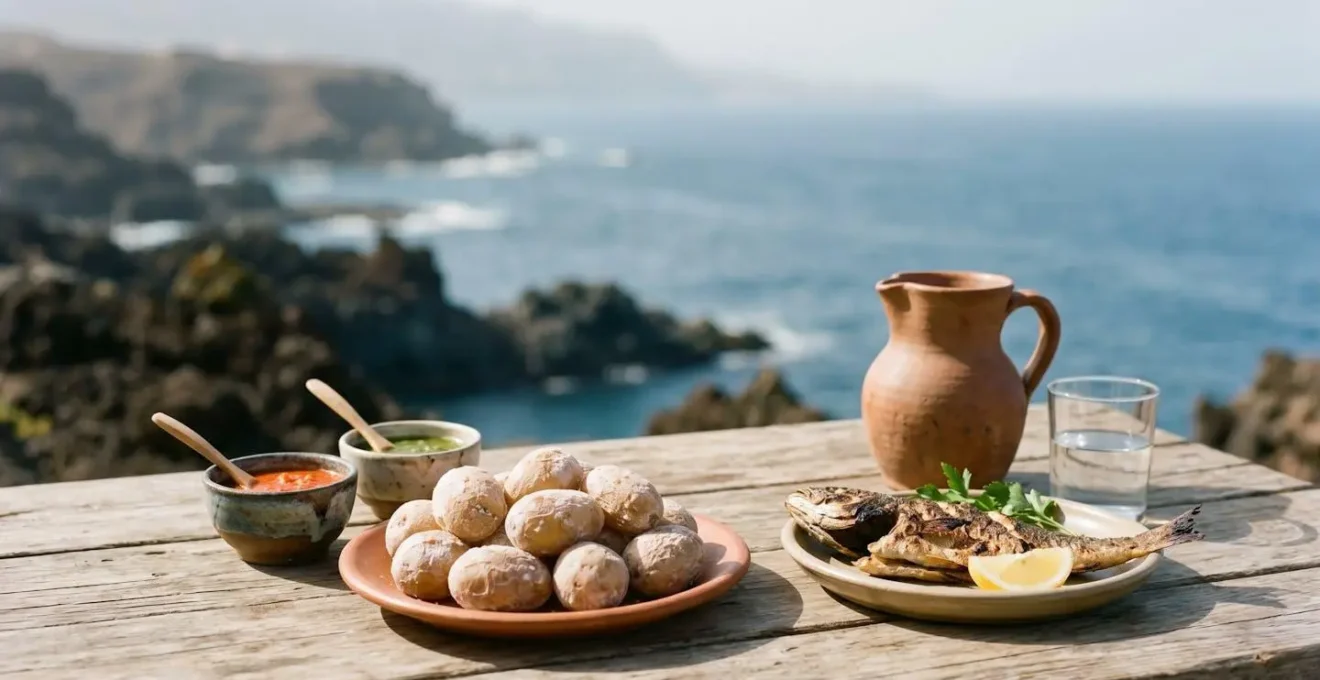
The right Canarian meal after a dive is not just a reward; it’s a critical tool for your safety and recovery.
- Prioritizing lean protein and specific electrolytes directly supports muscle repair and accelerates safe nitrogen off-gassing.
- Choosing slow-release carbohydrates over simple sugars prevents energy crashes and provides sustained fuel for your body’s recovery processes.
Recommendation: Think of your post-dive lunch as part of your dive plan. Choose dishes strategically to manage digestive load, rehydrate effectively, and replenish energy stores efficiently.
The feeling is unmistakable. After two morning dives in the crisp Atlantic, you surface, peel off your wetsuit, and a profound, satisfying hunger sets in. Your body has worked hard, managed nitrogen loads, and now it’s demanding fuel. The Canary Islands, with their vibrant and hearty cuisine, offer a tempting array of options. Most travel guides will point you towards classics like *papas arrugadas* or a hearty *puchero*. But for a diver, the choice of a post-dive meal is more than a matter of taste; it’s a crucial component of recovery and safety.
Eating the wrong thing—a meal that’s too heavy or fatty—can impair the vital process of nitrogen off-gassing. The typical advice to “eat local” is a great start, but it lacks the necessary precision for an athlete whose body is in a unique physiological state. The real question isn’t just *what* to eat, but *why* you should eat it. What if the key to optimal recovery was hidden in plain sight, within the very fabric of traditional Canarian recipes?
This guide moves beyond generic recommendations. We will dissect iconic Canarian dishes through the lens of sports nutrition, transforming your lunch into a strategic recovery toolkit. We’ll explore which meals provide the ultimate lean protein for muscle repair, how a simple salty potato can be a rehydration powerhouse, and why a local “superfood” is the perfect fuel for sustained energy. By understanding the science behind the flavour, you can indulge in the local cuisine while actively enhancing your diving safety and well-being.
To help you navigate the delicious yet complex world of Canarian cuisine with a diver’s needs in mind, this article breaks down the best nutritional choices. We will examine specific dishes, their ingredients, and their direct impact on your post-dive recovery, ensuring every meal is both a pleasure and a strategic advantage.
Summary: Your Nutritional Dive Plan for Canarian Cuisine
- Rabbit Stew (Conejo en Salmorejo): Is It the Ultimate Lean Protein Source?
- Papas Arrugadas: Why Salty Potatoes Are Good for Rehydration?
- The Mistake of Eating Heavy Stews Before an Afternoon Dive
- Bienmesabe: A Sugar Bomb for Glycogen Recovery?
- Goat Cheese Varieties: Which Ones Are Lowest in Fat?
- Why Drinking Water Is Critical in Salty Atlantic Air?
- Why Gofio Offers Better Slow-Release Energy Than Oatmeal?
- Eating in a Guachinche: The Rules of Rustic Canarian Dining
Rabbit Stew (Conejo en Salmorejo): Is It the Ultimate Lean Protein Source?
After a dive, your muscles are crying out for protein to begin the repair process. While many traditional stews are heavy and fatty, *Conejo en Salmorejo* stands out as a diver’s best friend. This flavourful rabbit stew, marinated in a piquant sauce of garlic, paprika, and wine, offers an exceptional source of high-quality, lean protein. Rabbit meat is notoriously low in fat and cholesterol, making it easy to digest and perfect for refueling without overwhelming your system.
The nutritional power of rabbit lies in its amino acid profile. It is packed with Branched-Chain Amino Acids (BCAAs), which are crucial for muscle protein synthesis. In fact, nutritional analysis shows it contains approximately 5.12 grams of BCAAs per 100 grams, a density that rivals many premium protein supplements. This makes it an ideal choice for promoting rapid recovery and reducing muscle soreness after the physical exertion of diving.
Unlike pork or beef-heavy dishes, the lean nature of rabbit stew provides the necessary building blocks for your body without the heavy digestive load that can interfere with nitrogen off-gassing. Choosing *Conejo en Salmorejo* is a savvy nutritional move that delivers maximum recovery benefits with a delicious, authentic taste of the islands.
Papas Arrugadas: Why Salty Potatoes Are Good for Rehydration?
No trip to the Canary Islands is complete without tasting *papas arrugadas con mojo*. These small, “wrinkled” potatoes, boiled in very salty water until their skins crinkle and a fine salt crust forms, are more than just a delicious side dish; they are a perfectly engineered rehydration tool for divers. After spending hours breathing dry, compressed air and being immersed in a saline environment, your body is in desperate need of both water and electrolytes.
The magic of these potatoes lies in their dual-action electrolyte replenishment. The visible salt crust provides a crucial dose of sodium, an electrolyte lost through sweat and respiration that is essential for fluid balance and nerve function. But the benefits go deeper than the skin. The potato itself is a fantastic source of another key electrolyte: potassium. Indeed, nutritional research confirms the high potassium content in potatoes, especially when eaten with their skin on, as is traditional with *papas arrugadas*.
This combination of sodium and potassium is vital for restoring cellular hydration. The two electrolytes work together in the body’s sodium-potassium pump, which regulates fluid levels in and around your cells. Paired with a glass of water, a serving of *papas arrugadas* is one of the most effective—and delicious—ways to kickstart your rehydration process after a dive, helping your body to efficiently transport nutrients and flush out metabolic byproducts like nitrogen.
The Mistake of Eating Heavy Stews Before an Afternoon Dive
The temptation is strong. After a successful morning of diving, you see a rich, aromatic stew like *Ropa Vieja* (shredded meat and chickpeas) or a hearty *Puchero Canario* on the menu. While these dishes are a cornerstone of Canarian comfort food, indulging in them between dives is a critical mistake for any serious diver. The problem is not the food itself, but its digestive load and its impact on your body’s ability to safely off-gas nitrogen.
Eating a heavy, fatty, or high-protein meal requires your digestive system to work overtime. This process diverts a significant amount of blood flow to your stomach and intestines. For a diver, this is problematic because that same blood flow is needed to transport dissolved nitrogen from your tissues to your lungs to be exhaled. Furthermore, dehydration, a constant risk for divers, thickens the blood, and research on diving physiology shows that dehydration can make it harder for nitrogen to be eliminated, potentially increasing the risk of decompression sickness (DCS).
So, what’s the smart swap? Instead of a heavy stew, opt for lighter fare if you plan to dive again in the afternoon. A piece of grilled fish (*pescado a la plancha*) with a fresh salad provides quality protein and hydration without the digestive burden. Grilled octopus or squid are also excellent lean options. Save the hearty, complex stews for your final meal of the day, when your diving is done and your body can focus entirely on digestion and rest.
Bienmesabe: A Sugar Bomb for Glycogen Recovery?
After a dive, your body’s readily available energy stores, known as glycogen, are depleted. You need a quick and effective way to replenish them. Your eyes might land on *Bienmesabe* on the dessert menu, a thick, sweet almond cream that translates to “tastes good to me.” And it certainly does. This traditional dessert is a potent mix of simple and complex carbohydrates, making it an interesting candidate for post-dive glycogen recovery.
The core ingredients tell the story of its energy-boosting power. As one culinary guide notes, it is a rich concoction.
Made by combining honey, sugar, egg yolk, and ground almonds, bienmesabe originates in Andalusia.
– Celebrity Cruises, The Ultimate Guide to Canary Islands Cuisine
The honey and sugar provide an immediate spike of glucose to start the glycogen replenishment process, while the ground almonds offer a slightly slower-burning energy source, along with some protein and healthy fats. This makes *Bienmesabe* a surprisingly functional treat. A small spoonful can give you that much-needed energy lift without the volume of a full, heavy dessert.
However, a word of caution from a nutritionist’s perspective: it is indeed a “sugar bomb.” A little goes a long way. Think of it not as a meal, but as a strategic, flavourful energy shot. It’s the perfect way to cap off a light lunch, satisfying your sweet tooth while giving your muscles the quick carbohydrate fix they crave. Overindulging could lead to an energy crash later, but a small, controlled portion is a delicious and effective recovery tool.
Goat Cheese Varieties: Which Ones Are Lowest in Fat?
Canarian goat cheese, or *queso de cabra*, is an artisanal treasure, with each island and even village boasting its own unique version. For a diver seeking a satisfying source of protein and calcium, it’s an excellent choice. However, not all goat cheeses are created equal when it comes to post-dive nutrition. The key is to understand the difference between fresh and aged varieties to select one that is lower in fat and easier to digest.
The best choice for a post-dive meal is a *queso tierno* or *queso fresco*. These are young, fresh cheeses that are soft, moist, and have a mild flavour. Because they have not been aged, their fat and salt content is significantly lower than their cured counterparts. This makes them much lighter on the digestive system, providing valuable protein without the heavy load you want to avoid. They are often served simply grilled (*queso a la plancha*) with a drizzle of mojo, a perfect light and flavourful snack.
Majorero Cheese: PDO-Protected Canarian Goat Cheese from Fuerteventura
Majorero cheese is a famous goat’s cheese from Fuerteventura with protected designation of origin (PDO) status. This traditional Canarian cheese showcases the unique terroir of the volcanic islands and represents the diversity of artisanal cheese-making across the archipelago, with varieties ranging from fresh (*fresco*) to aged (*curado*). These different profiles offer distinct nutritional characteristics, with the *fresco* variety being the most suitable for a diver’s immediate post-dive recovery needs due to its lower fat content and higher moisture, which aids digestibility.
In contrast, an aged cheese like a *queso curado* or *semicurado* is harder, saltier, and has a much more concentrated fat content. While delicious, this density makes it a heavier digestive task. Save these magnificent, complex cheeses for your evening meal, perhaps paired with a glass of local wine, once your diving for the day is complete.
Why Drinking Water Is Critical in Salty Atlantic Air?
Every diver knows the mantra: “hydrate, hydrate, hydrate.” But in the Canary Islands, this advice takes on an even greater urgency. The combination of breathing dry, compressed air from your tank and exposure to the breezy, salty Atlantic air on the surface creates a perfect storm for dehydration. This isn’t just about feeling thirsty; it’s a critical safety issue that directly impacts your risk of decompression sickness (DCS).
Proper hydration ensures your blood remains at an optimal viscosity, allowing it to efficiently transport oxygen and, crucially, carry dissolved nitrogen from your tissues to your lungs to be exhaled. When you’re dehydrated, your blood thickens, impairing this process. The world’s leading dive safety organization, DAN Europe, has invested heavily in research on this topic, and the conclusion is clear. Their scientific studies demonstrate that good hydration significantly reduces the amount of circulating bubbles post-dive. Fewer bubbles mean a lower risk of them causing problems.
Beyond just drinking water from a bottle, you can “eat” your water. The Canary Islands are blessed with an abundance of high-water-content fruits and vegetables. Incorporating local tomatoes from La Aldea, juicy melons, or sweet papayas into your post-dive meal is a delicious way to boost your hydration levels. A simple fresh salad is not just a side dish; it’s part of your rehydration strategy.
Essential Hydration Checklist for Divers
- Drink 500ml of water 1-2 hours before the dive to ensure adequate baseline hydration.
- Consume 250ml of water immediately after surfacing to begin the rehydration process.
- Continue drinking 1-2 liters of water over the next few hours to support nitrogen off-gassing.
- Incorporate high water-content Canarian foods: tomatoes, melons, papayas, and fresh salads.
- Avoid alcohol and excessive caffeine post-dive, as both worsen dehydration and increase DCS risk.
Why Gofio Offers Better Slow-Release Energy Than Oatmeal?
When you think of a healthy, energy-boosting grain, oatmeal often comes to mind. But in the Canary Islands, there is a local champion that outperforms it in almost every way for a diver’s needs: *Gofio*. This flour, made from toasted grains like corn or wheat, has been a staple of the Canarian diet for centuries, and for good reason. It’s a nutritional powerhouse, offering a superior form of slow-release energy compared to many other carbohydrates.
The secret to Gofio’s effectiveness is its composition and low glycemic index. Unlike processed flours or sugary cereals that cause a rapid spike and subsequent crash in blood sugar, Gofio provides sustained energy. The Slow Food Foundation documentation reveals that gofio contains complex carbohydrates, fiber, and a rich array of vitamins and minerals. This combination ensures that energy is released into your bloodstream gradually, providing a stable fuel source for your recovering body for hours after your meal.
Its low glycemic index also makes it a perfect choice for avoiding blood sugar spikes, and its high energy density makes it ideal for sustained performance.
– Aylanz Nutrition, Canarian gofio: the superfood from volcanic soil
You can enjoy Gofio in many forms. It can be served as *Gofio escaldado* (a thick porridge made with fish broth), mixed into milk for a breakfast drink, or even kneaded into a doughy side dish. For a diver, a small portion of *Gofio escaldado* as a starter is an excellent way to begin replenishing energy stores without weighing yourself down.
Key Takeaways
- Prioritize lean protein like rabbit stew (Conejo en Salmorejo) for efficient muscle repair without a heavy digestive load.
- Utilize Papas Arrugadas as a strategic tool for electrolyte replenishment, combining sodium from the salt crust and potassium from the potato.
- Opt for slow-release carbohydrates like Gofio to provide sustained energy and avoid the sugar crashes associated with simple carbs.
Eating in a Guachinche: The Rules of Rustic Canarian Dining
To truly experience Canarian recovery dining, you must visit a *guachinche*. These are not typical restaurants. They are rustic, family-run eateries, often located in a garage or on a home patio in the wine-growing regions of Tenerife. A true guachinche exists for one primary purpose: to sell the family’s homemade wine from the last harvest. The food is simply there to accompany it, and they are only legally allowed to stay open until the wine runs out.
This unique setup is a blessing for the discerning diver. The menu is always extremely limited—often just three or four main dishes scribbled on a chalkboard. This is a sign of ultimate freshness. It means the ingredients were sourced locally that day. Here, you’ll find the best of simple, home-cooked Canarian food: *carne a la brasa* (grilled meat), fresh house salads, local cheeses, and of course, *papas arrugadas*.
Navigating a guachinche is part of the fun. Your best strategy is to embrace the culture of sharing (*para compartir*). Order a few different plates for the table rather than one large main course per person. Always ask for the grilled meat, which provides great protein without the heaviness of a stew. Start your meal with a large bottle of still water (*agua sin gas*) before you even touch the excellent *vino del país*. And remember to bring cash, as most of these traditional establishments don’t accept credit cards. Eating at a guachinche is the ultimate way to apply your nutritional knowledge in the most authentic setting possible, enjoying a meal that is both culturally immersive and perfectly aligned with your recovery needs.
Armed with this nutritional knowledge, your next post-dive meal in the Canary Islands can be more than just a meal—it can be the final, crucial step in a safe and successful day of diving. Choose wisely, eat deliciously, and fuel your recovery like an expert.