Water sports
Water sports represent one of the most exhilarating ways to experience natural environments, combining physical challenge, skill development, and intimate contact with marine and aquatic ecosystems. Whether you’re gliding across glassy bay waters on a paddleboard, harnessing wind power through a kite, or exploring hidden coastal caves by kayak, each discipline offers unique rewards and requires specific knowledge to practice safely and responsibly.
The transition from land-based recreation to water activities demands understanding new environmental factors, mastering specialized equipment, and developing awareness of marine safety protocols. This comprehensive resource introduces the fundamental disciplines, explains essential safety considerations, guides equipment choices, and reveals how these activities benefit both your physical fitness and connection to aquatic environments.
Understanding the Main Water Sports Disciplines
The water sports landscape encompasses diverse activities, each with distinct characteristics, skill requirements, and equipment needs. Choosing the right discipline depends on your fitness level, preferred environment, and whether you seek peaceful exploration or adrenaline-fueled challenges.
Kayaking: Versatility and Accessibility
Kayaking stands out as one of the most accessible entry points into water sports, requiring relatively minimal equipment and offering applications from calm lake paddling to challenging sea expeditions. Sea kayaking specifically opens access to coastal features unreachable by land—vertical cliff formations with geological layers, cave systems carved by centuries of wave action, and wildlife nesting sites on remote rock faces. The low-impact nature makes kayaking suitable for active recovery between more strenuous activities, providing cardiovascular benefits without the joint stress of land-based exercise. However, beginners must respect that shoulder fatigue typically appears within 20 minutes if stroke technique is incorrect, and looking down at the paddle rather than the horizon can trigger seasickness in choppy conditions.
Kitesurfing: Harnessing Wind Power
Kitesurfing combines elements of surfing, paragliding, and wakeboarding into an adrenaline-intensive discipline that demands proper instruction and appropriate conditions. Coastal locations with consistent trade winds create world-class kite spots, but these same conditions require careful kite sizing—strong winds necessitate smaller kites to prevent being overpowered and losing control. The crowded bays popular with kitesurfers present collision risks that make choosing an IKO certified school essential for learning proper right-of-way rules and bay etiquette. Timing lessons for periods with consistent but manageable wind speeds accelerates learning while minimizing frustration and safety hazards.
Windsurfing: Technical Precision on the Board
Windsurfing requires coordinating balance, sail control, and wave reading simultaneously, creating a steep but rewarding learning curve. Sailors transitioning from lake experience often discover that ocean conditions introduce variables—chop, currents, offshore gusts—that don’t translate directly from flat-water sailing. Equipment considerations include understanding that hard top versus constant curve masts affect sail performance differently, though these distinctions matter less for rental gear than for competitive equipment. High winds demand switching to smaller sails to avoid exhaustion, while proper footstrap adjustment prevents wasting valuable water time. Regulatory awareness is critical: crossing marked boundary buoys can result in substantial fines, and understanding starboard tack right-of-way rules prevents dangerous situations in crowded conditions.
Stand-Up Paddleboarding: Core Strength and Stability
SUP has exploded in popularity due to its gentler learning curve and exceptional core muscle engagement. Balancing on choppy water trains the same stability mechanisms divers use for underwater trim control, creating valuable cross-training benefits. The choice between inflatable and hard boards affects workout intensity—rigid boards provide superior glide but require more storage space, while inflatables offer portability with slightly reduced performance. A structured 45-minute session can deliver significant leg strength gains, though participants must remain aware that focusing on exercise drills can cause inattention to offshore winds capable of pushing boards away from safe areas.
Jet Skiing: Speed With Responsibility
Motorized water sports like jet skiing provide speed and range impossible with human power alone, enabling dolphin-watching safaris and rapid coastal exploration. However, they carry heightened responsibilities: maintaining 60 metres distance from dolphin pods protects marine mammals from stress and injury, while choosing 4-stroke engines over 2-stroke models significantly reduces environmental noise pollution. Rental agreements typically include substantial deposits at risk for minor collisions, and understanding where free-riding is legally permitted outside guided areas prevents regulatory violations.
Safety Fundamentals Across All Activities
Every water sport shares common safety principles that transcend specific disciplines. Understanding these universal protocols prevents the majority of incidents and builds confidence for exploring more challenging conditions as skills develop.
The most critical safety consideration involves recognizing how water environments amplify consequences. A technique error on land might cause a stumble; the same mistake on water can result in separation from equipment, exhaustion, or dangerous drift into shipping lanes or offshore areas. Buoyancy aids versus life vests serve different purposes—life vests are designed to keep unconscious individuals face-up, while buoyancy aids provide flotation for conscious swimmers and are typically required for activities like cliff kayaking where self-rescue capability is assumed.
Environmental hazards require location-specific knowledge. Shorebreak—waves breaking directly on beaches—can snap fins during windsurfing launches if technique is improper. Unstable cliff bases pose paddling hazards where erosion creates collapse risk. Offshore gusts, particularly dangerous when they push participants away from protected bays toward open water, demand constant wind awareness and conservative decision-making about when conditions exceed your skill level. Crowded conditions at popular spots like certain bay areas introduce collision risks that mandate understanding right-of-way rules and maintaining spatial awareness even when fatigued.
Sun exposure on water intensifies dramatically compared to land-based activities. The combination of direct sunlight, reflection off water surfaces, and cooling wind effects that mask heat perception creates severe sunburn risk, particularly dangerous after consecutive days of water exposure. A 3-hour paddle under direct sun requires not just sunscreen but also protective clothing, hydration systems, and awareness of heat exhaustion symptoms.
Equipment Selection and Rental Considerations
Equipment choices significantly impact both safety and enjoyment, yet beginners often face overwhelming options without clear guidance on what matters most for their skill level and intended activities.
For rental situations, booking in advance serves two critical purposes: securing appropriate gear for your size and ability, and ensuring availability during peak periods when popular equipment disappears quickly. However, rental equipment comes with hidden costs that demand attention. Ding repairs—damage to surfboards, paddleboards, or kayaks—can trigger charges, making daily damage waivers worth calculating against your skill level and the equipment value. Understanding whether you’re financially responsible for minor scratches versus only major damage prevents unexpected costs.
Equipment adjustment knowledge saves valuable water time and prevents injury. Footstrap positioning on windsurfing boards affects leverage and control—knowing how to adjust them quickly means more time sailing and less time floating while fumbling with straps. Similarly, understanding when wave conditions or your energy level demands switching to smaller sails prevents the dangerous exhaustion that occurs when overpowered sailors fight equipment instead of controlling it.
The inflatable versus hard board decision for SUP and kayaking involves trade-offs beyond just portability. Hard boards provide superior performance and better fitness workouts through increased efficiency, while inflatables sacrifice some glide for durability and storage convenience. Neither choice is universally superior—your transport constraints, storage availability, and performance priorities should guide the decision.
Physical Benefits and Training Opportunities
Water sports deliver exceptional fitness benefits through whole-body engagement in unstable environments, creating training effects difficult to replicate in gyms or through land-based exercise.
The core muscle activation in SUP and kayaking rivals dedicated abdominal workouts while simultaneously building functional strength for real-world movements. Balancing on choppy water forces constant micro-adjustments that train proprioception and stability far more effectively than static balance exercises. These same mechanisms explain why SUP serves as excellent cross-training for diving—the core engagement required for maintaining trim underwater directly corresponds to the stability muscles activated when balancing on moving water surfaces.
Shoulder and back development occurs naturally through proper paddling technique in kayaking and SUP. The common mistake of hunching forward and looking down at the paddle not only triggers seasickness but also creates inefficient stroke mechanics that lead to fatigue within 20 minutes. Correcting form by maintaining an upright posture, rotating from the core, and keeping eyes on the horizon transforms paddling from a shoulder-burning struggle into a sustainable full-body movement pattern.
Windsurfing and kitesurfing build explosive leg strength and endurance through the constant stance adjustments required for wave riding and directional changes. A properly structured session alternating between technique drills and endurance runs maximizes both skill development and conditioning benefits without the repetitive impact stress that makes running or jumping problematic for many athletes.
Environmental Responsibility and Regulations
Water sports grant access to sensitive ecosystems that demand informed stewardship and adherence to protective regulations. Understanding your environmental impact and legal obligations protects both natural resources and your ability to continue enjoying these spaces.
Marine wildlife encounters represent privileges that require respectful distance protocols. Regulatory requirements like maintaining 60 metres from dolphin pods aren’t arbitrary restrictions but research-based protections preventing harassment that disrupts feeding, breeding, and social behaviors. Coastal bird species—ospreys, gulls, and other seabirds nesting on vertical cliff faces—abandon nesting sites when repeatedly disturbed by approaching watercraft. Observing from appropriate distances allows photography and observation without causing reproductive failure.
Geological features like coastal caves and cliff formations, while spectacular, exist in dynamic erosion states. The Atlantic Ocean carves these features through centuries of wave action, but this same process renders cliff bases unstable where paddling too close risks rockfall. Understanding where to stop for optimal perspective of geological layers balances spectacular views with personal safety and site preservation.
Equipment choices carry environmental consequences. The shift from 2-stroke to 4-stroke jet ski engines substantially reduces both noise pollution and hydrocarbon emissions that contaminate water. Recognizing boundary markers—yellow buoys designating protected areas or navigation channels—prevents both ecological damage and substantial fines that some jurisdictions set at hundreds of pounds for violations.
Water sports offer transformative experiences connecting participants to natural environments through physical challenge and skill mastery. Whether you’re drawn to the meditative rhythm of paddling, the technical precision of sail control, or the adrenaline rush of powered watercraft, approaching these activities with proper knowledge, equipment, and respect for both safety and environmental protocols ensures rewarding experiences that deepen over time.
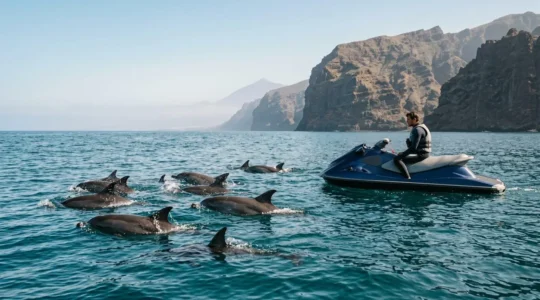
Jet Ski Safaris in Tenerife: How to Enjoy the Speed Without Disturbing Marine Life?
In summary: Mastering responsible riding is the real thrill, not just speed. It turns you from a tourist into a skilled, eco-conscious explorer. The 60-metre distance from dolphins isn’t just…
Lire la suite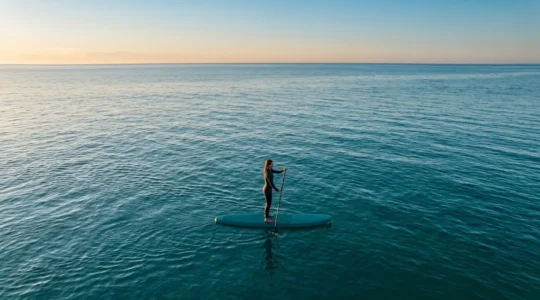
Can Stand-up Paddleboarding Improve Your Scuba Buoyancy and Core Strength?
Stand-up paddleboarding is more than a hobby; it’s a precision training tool that directly rewires your brain and body for elite scuba diving control. SUP on unstable water forces constant…
Lire la suite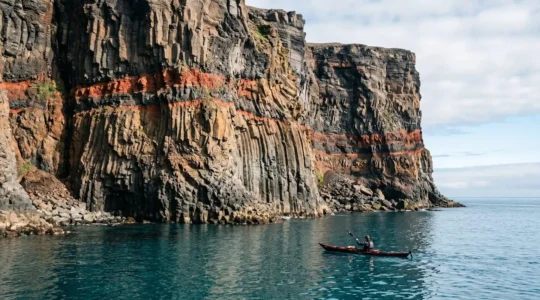
Reading the Volcanic Walls: Identifying Lava Flows from Your Kayak Seat
In summary: Learn to identify the red layers (ancient soil) between black basalt flows to understand the timeline of eruptions. Recognize the different ways the ocean sculpts cliffs, from the…
Lire la suite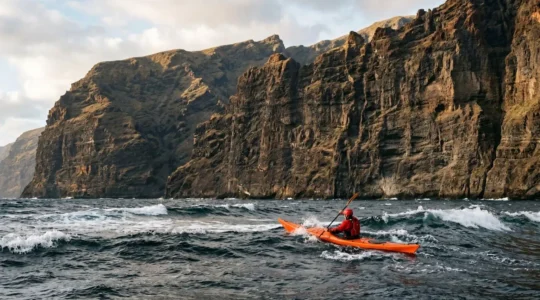
Kayaking Los Gigantes: How to Handle the Return Trip Against the Trade Winds?
In summary: The challenging return trip is not about brute strength but about smart energy management and efficient technique. Your core, not your arms, should power your paddle stroke to…
Lire la suite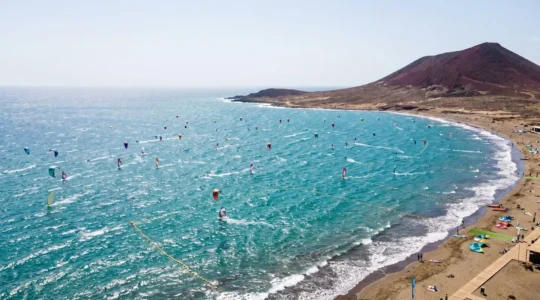
Navigating El Médano Bay: The Right-of-Way Rules Every Kiter and Windsurfer Must Know
The rules of El Médano are not optional courtesies; they are mandatory protocols to prevent chaos and ensure everyone’s survival on the water. Starboard tack ALWAYS has right-of-way over port…
Lire la suite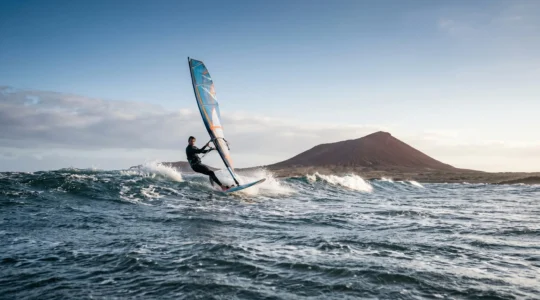
El Médano Windsurf Rentals: Why Your Lake Board Volume Is the Wrong Metric for Ocean Swell
Choosing a rental board in El Médano isn’t about adding 15 liters to your lake board volume for ‘safety’—that’s a myth that leads to poor control in Atlantic swell. Saltwater…
Lire la suite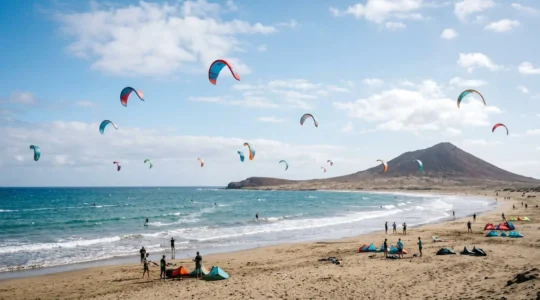
Can a Beginner Really Learn to Kitesurf in El Médano’s Pro-Level Winds?
Yes, a beginner can learn to kitesurf in El Médano, but only by treating it like a professional training ground, not a casual beach holiday. The spot’s famous strong winds…
Lire la suite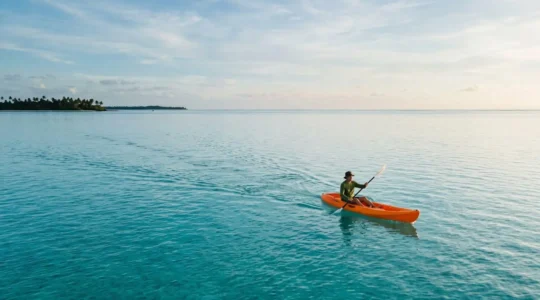
Which Water Sport Should You Try on Your Non-Diving Decompression Day?
Your decompression day is a powerful training opportunity, not just a waiting game. Stand-up paddleboarding (SUP) directly engages the same core muscles you use for perfect trim and buoyancy control…
Lire la suite