Planning your holiday in Tenerife
Tenerife has emerged as one of Europe’s most accessible year-round diving destinations, offering warm Atlantic waters, dramatic volcanic topography, and marine life encounters that range from angel sharks to massive stingrays. Yet the island’s unique characteristics—from the infamous Calima dust phenomenon that periodically disrupts visibility to Spanish legal requirements that differ markedly from other popular diving regions—demand careful preparation that extends well beyond simply booking flights and accommodation.
Planning a diving holiday in Tenerife involves navigating a complex web of interconnected decisions: matching your certification level to the island’s deep drop-offs, understanding how trade winds dictate which coast offers better conditions on any given week, ensuring your travel insurance actually covers decompression chamber treatment, and even selecting rental accommodation with proper facilities for drying wetsuits and storing heavy equipment. This comprehensive resource connects the essential planning elements that transform a generic beach holiday into a safe, cost-effective and thoroughly rewarding diving experience.
Understanding Certification and Training Requirements
Tenerife’s dramatic underwater topography presents both opportunity and risk. Many of the island’s most celebrated dive sites feature steep walls descending beyond 40 metres, accessible even from shore entries. This geography means that certification limits matter significantly more here than at shallow Caribbean reef destinations.
If you hold a PADI Open Water certification (maximum depth 18 metres) or BSAC Ocean Diver equivalent, you’ll find yourself excluded from the majority of Tenerife’s signature sites. The Advanced Open Water certification opens access to depths of 30 metres, yet even this falls short for sites like El Condesito or Chuchos, where the main attractions lie deeper. Understanding the distinction between Advanced Open Water and the Deep Diver specialty becomes critical: only the latter formally qualifies you for the 40-metre depth limit under recreational diving standards.
Spanish dive centres strictly enforce certification limits, partly due to legal liability frameworks and partly because maritime authorities conduct spot checks requiring C-card presentation. If your last dive occurred more than twelve months ago, many operators will require—or strongly recommend—a refresher course before allowing you on the boat. This isn’t merely commercial upselling; the combination of potentially strong currents, blue water descents with limited visual references, and depths that demand solid buoyancy control means that rusty skills genuinely increase accident risk.
Medical self-declaration forms in Tenerife may be scrutinized more carefully than in some other destinations. Conditions that might warrant only a brief conversation elsewhere—such as mild asthma or previous ear problems—can result in requirements for a local doctor’s clearance, potentially consuming half a day and €80-120 of your holiday budget.
Weather Patterns and Optimal Diving Conditions
Tenerife’s climate is shaped by persistent northeast trade winds and occasional Saharan weather patterns, creating a unique planning challenge that directly impacts your underwater experience. Understanding these patterns allows you to select the correct coast and timing for your visit.
The Calima Phenomenon and Visibility Cycles
Several times annually, typically between January and March, hot Saharan winds carry fine dust particles across the Atlantic in what locals call Calima. This phenomenon can reduce underwater visibility from the typical 20-30 metres down to 5-10 metres within hours, transforming blue water wall dives into disorienting experiences. The dust also creates surface haze, uncomfortable heat, and breathing difficulties for some visitors. Monitoring specialized forecasts becomes essential during winter months, though predicting Calima onset remains imprecise beyond a 48-hour window.
North Coast Versus South Coast Dynamics
The trade winds create a permanent microclimate division. Tenerife’s south coast—where most dive centres cluster around Los Cristianos, Las Galletas, and Costa Adeje—benefits from a wind shadow effect that delivers calmer seas and clearer skies approximately 300 days annually. The north coast offers different marine ecosystems and fewer crowds but faces choppy conditions and reduced visibility during trade wind periods. Experienced visiting divers often plan their trips around south coast reliability whilst accepting that premium north coast sites require specific weather windows.
Reading Marine Forecasts Effectively
Generic weather apps prove inadequate for dive planning here. Platforms like Windguru provide location-specific marine forecasts including wave period, swell direction, and wind speed at sea level—metrics that determine whether a particular dive site remains diveable. A south coast site might be perfectly calm whilst a north coast location just 20 kilometres away experiences two-metre swells, making forecast interpretation a daily ritual during your diving week.
Choosing Dive Sites, Centres and Equipment
Tenerife hosts approximately 40 regularly dived sites scattered around the island’s 350-kilometre coastline, each with distinct depth profiles, marine life attractions, and accessibility requirements. Your choice of dive centre location and their operational style significantly influences which sites you’ll actually experience.
Boat Diving Versus Shore Access
Whilst Tenerife offers some shore diving, the island’s volcanic topography means that boat diving accesses vastly superior sites. Shore entries typically involve rock scrambles followed by swims to reach interesting terrain, consuming air and energy before the dive properly begins. Boat operations, conversely, position you directly above walls, wrecks, and cleaning stations where angel sharks congregate. The quality difference is substantial enough that most visiting divers allocate their entire budget to boat diving.
Dive Centre Location and Daily Logistics
Choosing accommodation within walking distance of your selected dive centre eliminates a surprising source of holiday stress. Morning boat departures typically occur between 8:30-9:00 AM, with operators expecting you geared up and ready 20 minutes prior. A ten-minute walk proves far more pleasant than navigating rental car parking in busy marinas or gambling on taxi availability. Las Galletas hosts the highest concentration of dive centres relative to accommodation options, creating particularly convenient logistics.
Equipment Rental Standards and Inspection
Rental regulators and BCDs vary dramatically in age and maintenance standards between operators. Upon arrival, inspect mouthpieces for degradation, check that low-pressure inflator buttons respond crisply, and confirm that SPG readings match the tank pressure gauge. Hygiene matters too—mouthpieces should show evidence of sterilization between users. Don’t hesitate to request alternative equipment if you’re dissatisfied; reputable centres maintain backup sets precisely for this reason.
Vessel Types and Comfort Considerations
Tenerife operators run either rigid inflatable boats (RIBs) or hard-hulled vessels. RIBs offer speed and manoeuvrability but deliver punishing rides in choppy conditions, particularly problematic for those prone to seasickness. Hard boats provide shade, toilet facilities, and separated dry areas for cameras and personal items, but take longer reaching distant sites. For diving weeks involving multiple daily dives, vessel comfort directly impacts your fatigue accumulation and overall enjoyment.
Planning Your Budget and Accommodation
A week of intensive diving in Tenerife involves numerous cost components that aren’t always transparent during initial research. Understanding the realistic budget breakdown prevents mid-holiday financial surprises.
Flight Costs and Equipment Allowances
Standard checked baggage allowances rarely accommodate scuba equipment’s weight and bulk. A complete kit easily reaches 25-30 kg before adding any clothing or personal items. Booking flights with explicit ‘sports equipment’ allowances saves £40-60 in excess baggage fees each direction. Budget airlines serving Tenerife South (Ryanair, easyJet, Jet2) price these allowances variably, making it worth comparing the total cost including equipment rather than just the base fare.
Dive Package Structures and Hidden Charges
Dive centres typically offer either multi-dive packages (commonly 6-dive or 10-dive packs) or unlimited daily diving arrangements. The 6-dive package suits most week-long holidays, providing three full diving days whilst allowing rest days for nitrogen off-gassing and surface exploration. Advertised prices may exclude equipment rental (€15-25 daily), marine reserve entry fees (€2-4 per dive at certain sites), and fuel surcharges that some operators add when visiting distant locations. Always clarify the complete per-dive cost including all supplements.
Accommodation Considerations for Divers
Your accommodation choice impacts daily comfort and practical functionality. Essential features for divers include: secure storage for equipment worth potentially thousands of pounds, outdoor space or balconies suitable for drying wetsuits and BCDs (hotel balconies often prohibit this due to dripping saltwater damaging balconies below), and kitchen facilities if you’re managing a tight budget or have specific dietary requirements. Self-catering apartments typically cost 30-40% less than hotels whilst providing superior functionality for diving holidays.
Daily Food Costs
Restaurant meals in Tenerife’s tourist zones average €12-18 for lunch and €20-30 for dinner per person. Supermarket shopping and self-catering reduces this to approximately €8-12 daily. Over a week-long holiday, the difference amounts to €150-200 per person—potentially funding an additional two boat dives.
Transportation and Logistics
Tenerife’s elongated geography and mountainous interior create transportation challenges that aren’t immediately obvious when viewing maps. The island stretches roughly 80 kilometres end-to-end, with a volcanic peak reaching 3,718 metres at its centre.
Car Rental Specifications
If your plans include exploring beyond your dive centre’s immediate area—perhaps visiting Mount Teide National Park or driving the dramatic Masca valley—engine size matters significantly. The popular 1.0-litre rental cars struggle dangerously on the island’s numerous gradients exceeding 15-20%. A 1.4-litre engine provides adequate power for mountain roads without substantial cost increase. Automatic transmission, whilst more expensive, eliminates the stress of hill starts on steep inclines in rental cars with unfamiliar clutch friction points.
Parking Regulations and Common Pitfalls
Spanish parking regulations use colour-coded kerb markings that differ from systems in the UK or Ireland. Yellow lines indicate absolute parking prohibition; white lines generally permit free parking; blue lines require payment during specified hours. Fines for violations typically reach €60-90. Marina areas near dive centres often enforce strict parking controls, making early arrival essential for securing legal spaces. Some operators provide private parking—a significant convenience worth considering when selecting your dive centre.
Navigation Tools
Both Google Maps and Waze function adequately in urban areas, but Tenerife’s remote northern and western regions contain roads poorly represented in both systems. Waze generally provides superior real-time traffic updates for the busy southern motorway corridor, whilst Google Maps offers more detailed rural coverage. Downloading offline maps before leaving WiFi proves essential, as mobile data coverage degrades rapidly in mountainous terrain.
Campervan and Motorhome Considerations
The romantic notion of touring Tenerife in a campervan confronts harsh practical realities. The Ley de Costas (Coastal Law) strictly prohibits overnight parking within several hundred metres of beaches, with enforcement including towing and substantial fines. Legal campsites are sparse and poorly located relative to dive centres. Additionally, many rental agreements prohibit taking larger vehicles on mountain roads, and height restrictions in marina parking areas prevent access to dive centres. Campervans suit Tenerife poorly compared to destinations with established wild camping cultures.
Insurance Requirements and Legal Compliance
Spanish legal frameworks impose specific insurance obligations on divers that differ markedly from requirements in Caribbean or Southeast Asian destinations. Understanding these requirements prevents both legal complications and financial catastrophes.
Mandatory Liability Coverage
Spanish law requires divers to carry minimum €6,000 liability coverage specifically for diving activities. Standard travel insurance policies typically exclude scuba diving entirely or limit coverage to depths of 18-20 metres. Maritime police conduct spot checks requiring proof of adequate insurance; inability to produce documentation can result in fines and prohibition from diving for the remainder of your stay.
Depth Limit Exclusions
Insurance policies specifically covering diving often contain depth limit clauses that void coverage if accidents occur beyond specified depths—commonly 30 metres for standard policies. If you’re planning to dive Tenerife’s deeper walls and wrecks, you need coverage extending to 40 metres. The difference between being covered at 30 metres versus 31 metres can mean the difference between full claim payment and complete denial, potentially leaving you liable for hyperbaric chamber treatment costs exceeding €10,000.
Equipment Coverage
If you’re travelling with your own equipment, particularly cameras and strobes worth £2,000-5,000, standard travel insurance provides inadequate coverage for flood damage or loss. Specialist diving insurance allows separate scheduling of equipment with appropriate coverage limits. Some photographers carry equipment insurance through household policies, but these often exclude overseas use or require specific endorsements.
Digital Versus Printed Documentation
Whilst many aspects of Spanish bureaucracy have modernized, maritime police conducting boat inspections generally expect printed insurance certificates. Digital documents on smartphones may be accepted but can lead to extended discussions and delays. Printing your insurance certificate, certification cards, and dive medical clearance creates a simple document folder that satisfies all potential compliance checks without argument.
Safety, Health and Emergency Preparedness
Tenerife’s combination of deep diving, warm water encouraging extended bottom times, and active holiday atmosphere creates specific physiological challenges that require conscious management.
Decompression Sickness Risk Factors
The temptation to maximize diving during limited holiday time leads many visiting divers into aggressive profiles: deep morning dives followed by shallower afternoon dives, repeated across multiple consecutive days. This pattern, combined with potential dehydration from Tenerife’s dry climate and perhaps evening alcohol consumption, elevates decompression sickness (DCS) risk significantly. Studies indicate that proper hydration statistically reduces DCS incidence more effectively than conservative computer settings alone, yet it’s the precaution most frequently neglected.
Dive Computer Settings
For holiday diving weeks involving 10-15 dives over five to six days, switching your dive computer to conservative mode or selecting a more conservative algorithm provides meaningful additional safety margin. The cost is modest—typically 5-8 minutes less bottom time per dive—whilst the benefit is substantial reduction in accumulated nitrogen loading across repetitive days.
Recognizing DCS Symptoms
Unusual fatigue, persistent headaches, or unexplained joint discomfort following diving days warrant immediate professional evaluation. The challenge lies in distinguishing DCS symptoms from ordinary holiday tiredness, muscle soreness from equipment carrying, or dehydration headaches. When in doubt, contact DAN (Divers Alert Network) Europe or present to the hyperbaric facility for assessment. Early treatment for genuine DCS cases produces dramatically better outcomes than delayed intervention.
Hyperbaric Treatment Facilities
The nearest chamber to Tenerife South’s dive centre cluster operates in Santa Cruz, approximately 65 kilometres north. Treatment protocols for DCS typically involve Table 6 procedures lasting four to five hours inside the chamber, followed by mandatory 72-hour grounding from flying. This creates significant travel disruption—potentially requiring extended accommodation, rebooking flights, and managing the financial implications of unplanned stay extension. Comprehensive dive insurance should specifically cover these consequential costs, not merely the medical treatment itself.
Maritime Rescue and Emergency Protocols
Spanish maritime rescue (Salvamento Marítimo) operates dedicated helicopter and fast boat assets, but emergency callouts incur costs potentially exceeding €3,000 for helicopter deployment. Understanding whether your insurance covers rescue costs versus only post-rescue medical treatment prevents nasty billing surprises. VHF Channel 16 provides the standard emergency contact method, though mobile phone coverage extends several kilometres offshore around developed coastal areas.
Planning a diving holiday in Tenerife rewards careful preparation with an experience that combines accessible Atlantic diving, dramatic volcanic topography, and unique marine encounters. The key lies in recognizing that this isn’t a generic beach destination with casual diving opportunities, but rather a specialized diving environment where weather patterns, certification limits, insurance compliance, and safety protocols demand informed decision-making. By systematically addressing each planning component—from matching your certification to site requirements, through selecting appropriate accommodation and transportation, to ensuring comprehensive insurance coverage—you transform potential complications into manageable details, freeing you to focus on the underwater encounters that make Tenerife such a compelling destination.
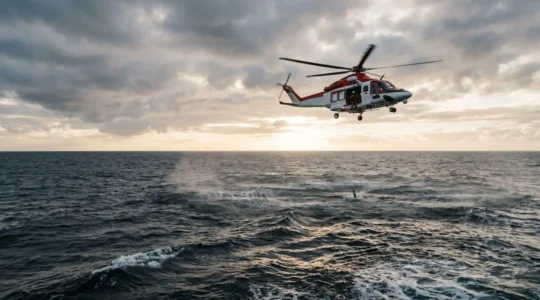
Medical Evacuation from Sea: Who Pays for the Helicopter Rescue?
The belief that a maritime rescue is a single, free event is a dangerous illusion; the reality is a high-stakes handover that can lead to financial ruin. Search and Rescue…
Lire la suite
Diving Laws in Spanish Waters: Documentation You Must Carry on the Boat
In Spain, the primary risk of non-compliance with diving regulations is not a legal fine but the immediate invalidation of your insurance, leading to significant personal financial liability. A self-declaration…
Lire la suite
The Cost of Decompression Illness: Why You Never Want to Pay for a Chamber Ride Out of Pocket
The true cost of a diving accident isn’t the physical injury; it’s the catastrophic and uncovered financial liability, where a single helicopter flight can exceed €3,000 before treatment even begins….
Lire la suite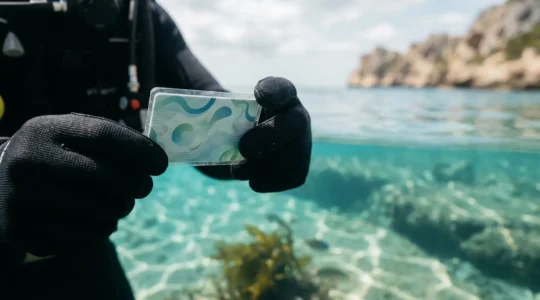
Dive Insurance in Spain: Why Your UK EHIC/GHIC Card Is Not Enough?
Relying on a GHIC/EHIC card for scuba diving in Spain is a catastrophic legal and financial miscalculation; it provides zero coverage for the liabilities mandated by Spanish law. Spanish Royal…
Lire la suite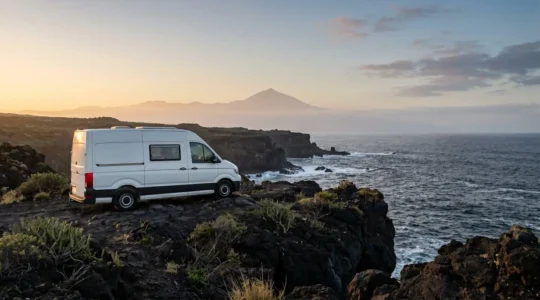
Van Life in Tenerife: Can You Legally Sleep Anywhere on the Island?
Contrary to the ‘freedom’ narrative, successful van life in Tenerife is not about finding hidden spots; it is a legal and logistical challenge. This guide decodes Spanish law to distinguish…
Lire la suite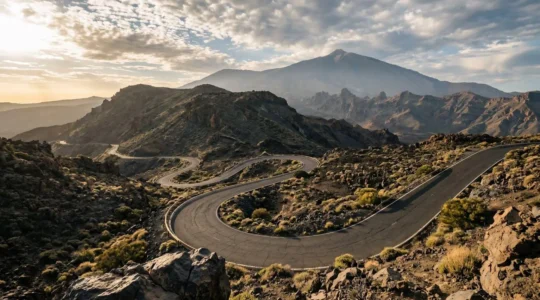
Renting a Car in Tenerife: Why You Need More Horsepower for Volcanic Roads?
Choosing the cheapest rental car in Tenerife is a false economy that exposes you to significant mechanical and safety risks on its steep volcanic roads. An underpowered engine (like a…
Lire la suite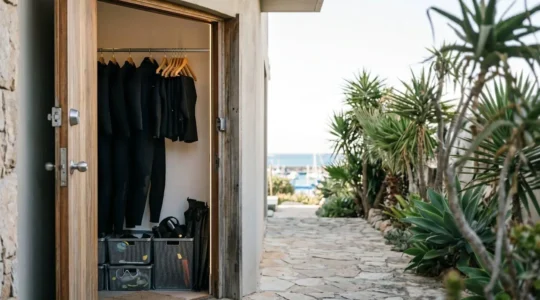
Accommodation for Divers: Why You Need a Ground Floor Apartment or Secure Storage?
For a diver, choosing the wrong holiday rental isn’t an inconvenience; it’s a logistical nightmare that can damage gear, void insurance, and ruin your trip before you even hit the…
Lire la suite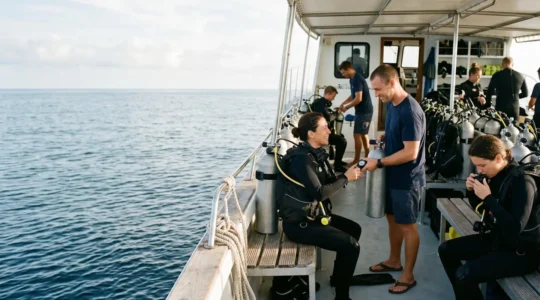
Boat Diving Etiquette: The Unspoken Rules That Separate Pros from Amateurs
In summary: Boat etiquette isn’t about arbitrary rules; it’s about understanding the boat’s operational flow to ensure safety and efficiency. Your personal space is limited. Keep gear compact and assembled…
Lire la suite
Planning a Tenerife Dive Trip: How to Budget for a 1-Week Stay in High Season?
The key to a budget-friendly Tenerife dive trip isn’t just avoiding high season, but making smart, diver-specific financial choices that typical tourists miss. Paying a bit more for a ‘Sports…
Lire la suite
Managing Nitrogen on a 3-Dive Day: A Physiologist’s Protocol for Intensive Diving
The key to safely managing a 3-dive day isn’t just watching your computer, but actively managing your body’s cumulative « physiological debt. » Fatigue and dehydration accelerate nitrogen loading and can dangerously…
Lire la suite