Local culture
The Canary Islands exist at a cultural crossroads—geographically African, politically Spanish, yet unmistakably unique. This Atlantic archipelago has cultivated traditions shaped by volcanic landscapes, maritime heritage, and centuries of relative isolation. For travelers seeking more than beach resorts and tourist circuits, understanding Canarian local culture transforms a simple vacation into an immersive experience where every meal, conversation, and street corner reveals layers of meaning.
True cultural engagement goes far beyond learning a few Spanish phrases or trying the local wine. It requires understanding the daily rhythms that govern island life, recognizing the architectural signatures of different historical periods, distinguishing authentic dining experiences from tourist imitations, and respecting both religious traditions and fragile marine ecosystems. This depth of cultural literacy separates visitors who merely pass through from those who genuinely connect with the Canarian way of life.
The following exploration addresses the essential dimensions of local culture—from the unwritten rules of social interaction to the ancient superfood still consumed daily, from baroque balconies that tell colonial stories to the etiquette required when invited to a family lunch. Each element interconnects, forming a cultural fabric that rewards those willing to look beyond the obvious.
Understanding Canarian Social Customs and Daily Rhythms
The pace and patterns of Canarian daily life operate on fundamentally different principles than many Northern European or North American cultures. These aren’t arbitrary traditions—they’re climate-adapted survival strategies refined over centuries.
The Siesta System: More Than Just a Nap
Shops closing at 2 PM isn’t inefficiency—it’s intelligent design for subtropical living. The midday closure protects workers from peak heat and UV exposure while aligning with traditional family meal patterns. Expect businesses to reopen between 5 and 8 PM, often staying open past 9 PM. This rhythm affects everything from diving schedules to when you’ll find fresh bread. Fighting this system guarantees frustration; adapting to it unlocks the island’s actual operating hours.
Language and Meaningful Interaction
Basic Spanish courtesy phrases represent the bare minimum, not cultural competence. Canarians distinguish immediately between tourists who mechanically repeat « hola » and those who attempt genuine conversation, however broken. Learning food vocabulary, understanding regional terms like « guagua » (bus) instead of « autobús, » and making the effort to ask questions in Spanish—even when the answer comes in English—fundamentally changes how locals perceive and treat you. The difference appears in recommendations offered, prices quoted, and invitations extended.
Where Locals Actually Gather
The evening plaza remains the social epicenter, not British-style pubs or Irish bars. Families with children, elderly couples, and teenagers occupy the same public squares from 7 PM onward, creating multigenerational social spaces. Local bars flanking these plazas serve as community living rooms where football provides safe conversational territory, while politics and religion require careful navigation unless you’ve established genuine rapport. Pay attention to which establishments have picture menus—their presence reliably indicates tourist-oriented operations rather than local hangouts.
Traditional Architecture: Reading the Island’s Built Heritage
Canarian architecture functions as a three-dimensional historical record, where construction materials, color palettes, and decorative elements reveal construction periods, social classes, and economic conditions spanning five centuries.
Colonial Materials and Distinctive Colors
The volcanic islands lack certain building resources, making material choices significant. Traditional construction employed volcanic stone for foundations and load-bearing walls, while Canarian pine (tea pine) provided roofing and structural elements. This endemic pine species possesses remarkable termite resistance and fire-retardant properties due to high resin content—practical advantages that ensured its continued use despite challenging mountain harvesting. The bright paint colors coating facades aren’t merely decorative: they reflect sunlight to reduce heat absorption while clearly demarcating property boundaries in densely built historic quarters.
Balcony Styles and Their Original Functions
The elaborate wooden balconies adorning towns like La Orotava served dual purposes rarely understood by casual observers. These enclosed galleries provided protected observation points for monitoring street activity below—crucial for merchant families tracking commercial traffic. Simultaneously, the latticed construction allowed air circulation while maintaining privacy, functioning as climate-adapted architecture decades before mechanical cooling. Distinguishing baroque (heavily carved, asymmetric) from neoclassical (geometric, balanced) styles requires examining balustrade patterns and support bracket designs. Maintenance costs for these historical facades remain substantial, explaining why many deteriorate despite cultural protection status.
Exploring Historic Towns Respectfully
Towns like La Laguna offer remarkable architectural preservation, but photography etiquette matters. Private interior patios—often visible through iron gates—represent family spaces, not tourist attractions. Respectful observation means admiring visible elements without trespassing or creating disturbances. The best natural light occurs during golden hour when volcanic stone glows amber, though La Laguna’s elevation creates significantly cooler temperatures and frequent fog compared to coastal areas—bring layers even when the beach feels tropical.
Authentic Canarian Gastronomy Beyond Tourist Menus
Canarian cuisine reflects centuries of Atlantic isolation, indigenous influence, and Spanish colonial adaptation. Understanding core ingredients and traditional preparations separates authentic experiences from sanitized tourist versions.
Core Dishes and Their Nutritional Logic
Papas arrugadas—salt-encrusted wrinkled potatoes—weren’t designed for flavor alone. The high salt content aids electrolyte replacement in hot climates and after ocean activities, making them functionally superior to plain boiled potatoes for divers and hikers. Conejo en salmorejo (rabbit in marinade) provides exceptional lean protein with lower fat content than chicken, while the acidic marinade tenderizes the meat and aids digestion. These aren’t exotic curiosities but climate-appropriate nutrition refined over generations.
The sweet almond cream dessert bienmesabe functions as a glycogen recovery tool after physical exertion, though its concentrated sugar and fat content makes it problematic before afternoon dives. Timing matters as much as selection.
Mojo Sauces: The Canarian Flavor Foundation
Every Canarian table features at least one mojo sauce, yet most visitors can’t distinguish the varieties. Mojo rojo (red) employs sweet peppers and paprika; mojo picón adds hot peppers for heat; mojo verde uses cilantro or parsley for fish preparations. Authentic versions require specific pepper varieties—standard bell peppers produce wrong flavor profiles and inadequate consistency. Fresh mojo (without preservatives) spoils within days, explaining why restaurant quality varies dramatically. The best jarred versions come from market stalls, not supermarkets, where turnover ensures freshness.
Gofio: The Ancient Superfood Still Consumed Daily
Gofio—toasted grain flour—represents direct culinary continuity from indigenous Guanche culture. Its unique production (toasting before grinding) creates complex carbohydrates that release energy more gradually than oatmeal, making it valuable for sustained activity. Traditionally mixed with milk for breakfast or fish stock for savory applications, gofio’s versatility seems strange until you understand it as a base ingredient, not a finished product. Wheat versions taste milder; millo (maize) offers stronger, slightly sweet notes. Celiac travelers need caution—cross-contamination occurs frequently despite some naturally gluten-free varieties.
Sustainable Seafood Selection
Not all fish on Canarian menus deserve ordering. Vieja (parrotfish) represents the most sustainable local catch—herbivorous, abundant, and properly managed. Conversely, undersized specimens of any species indicate illegal catches that you should refuse. Distinguishing fresh local fish from frozen imports requires examining eye clarity and skin moisture, though grilled preparations often hide these indicators better than fried. Tuna quality varies dramatically by season, with specific months yielding superior fat content and flavor. Responsible ordering supports both ocean health and traditional fishing communities.
The Guachinche Experience: Rustic Canarian Dining
Guachinches occupy a unique cultural niche—technically private homes licensed to serve their own wine production alongside simple food. The institution exists nowhere else in Spain, making it distinctly Canarian.
Identifying legal guachinches requires spotting the « V » sign marking licensed establishments. Authentic operations serve only three or four dishes—whatever the family cooked that day—from handwritten menus or verbal recitation. The house wine arrives in unlabeled carafes, typically Listán Negro varietal with light body and subtle fruit notes. Expectations of menu variety, credit card payments, or year-round operation will be disappointed. Guachinches open only during specific months following harvest, operate on cash-only basis, and often occupy garages or storage rooms converted temporarily into dining spaces.
This informality isn’t poverty—it’s cultural preservation. The limited menu ensures fresh ingredients and home-style preparation, while seasonal operation aligns with wine production cycles. Attempting Apple Pay in a garage-guachinche reveals fundamental misunderstanding of the institution’s nature and purpose.
Religious Festivals and Community Celebrations
Romerías—religious processions combining saint veneration with spectacular parties—dominate the Canarian festival calendar. These events aren’t performances for tourists; they’re living religious and social traditions where entire communities participate.
Understanding requires recognizing the dual nature: genuine religious devotion coexists with enthusiastic celebration. Pilgrims walk for hours carrying saint statues while consuming wine; ox carts distribute food by throwing it into crowds; traditional mago costumes transform streets into moving historical tableaux. For visitors, the key challenges involve physical endurance (sun exposure plus alcohol equals dangerous dehydration), understanding road closures that paralyze town centers, and respecting the religious core despite festive atmosphere.
Taking selfies during solemn procession moments demonstrates profound disrespect. However, participating respectfully—catching thrown food carefully, staying hydrated, understanding when silence is required versus when celebration is appropriate—creates memorable cultural experiences. Wearing traditional dress as a foreigner requires cultural sensitivity: sometimes it’s welcomed as respectful participation, sometimes perceived as appropriation. Context and invitation matter.
Maritime Heritage and Fishing Village Culture
Industrialized tourism has transformed most Canarian coastal settlements, but villages like Tajao and Los Abrigos maintain working fishing identities—for now. Understanding this heritage means recognizing both its beauty and its fragility.
Traditional artisanal fishing boats remain small and brightly painted for practical reasons: size limitations allow beach launching without harbor infrastructure, while distinctive colors enable identification from shore. Arriving at harbors around 6-7 AM allows witnessing catches being unloaded, sorted, and auctioned—a centuries-old process compressed into focused activity. The scene appears picturesque but represents actual commerce; walking on drying fishing nets damages expensive equipment and reveals tourist obliviousness to working environments.
Cofradía restaurants—operated by fishing cooperatives—return profits directly to fishing communities rather than external restaurant groups. Choosing these establishments matters economically. Simultaneously, gentrification pressures transform authentic fishing ports into sanitized tourist venues where Instagram aesthetics replace actual maritime function. Recognizing the difference between living culture and themed recreation requires attention to whether you see actual fishing gear, working boats, and local customers versus exclusively tourist clientele.
Responsible Interaction with Marine Environments
The volcanic underwater landscapes attracting divers require careful protection from the very tourism they inspire. Cultural literacy extends beneath the waves into ethical environmental interaction.
Understanding Protected Zones and Regulations
Certain coastal areas remain permanently off-limits to recreational diving due to ecological sensitivity or breeding ground status. The distinction between protected zones requiring special permits versus open areas available to all divers isn’t always obvious from shore. Violating these restrictions risks substantial fines—penalties reaching several thousand euros for touching protected species exist because ecosystem damage costs exponentially more. Identifying Green Star certified dive centers ensures operations prioritizing environmental protection over maximum customer volume.
Wildlife Observation Ethics
Organized feeding sessions fundamentally alter natural animal behavior. Rays conditioned to expect food from humans lose natural hunting patterns, become aggressive during feeding frenzies (creating barbed tail injury risks), and concentrate in unnatural densities. Seeking dive sites offering natural ray encounters away from feeding circus atmospheres requires research and willingness to accept that wildlife sightings can’t be guaranteed—the uncertainty is the point. Stingrays versus eagle rays demonstrate different approach behaviors, with neither species naturally aggressive unless feeding conditioning has occurred.
Protecting fragile volcanic moss formations requires proper finning technique that maintains distance from bottom surfaces. The damage appears minimal per diver but accumulates catastrophically across thousands of annual visitors. Cultural responsibility means accepting that your individual impact, multiplied by mass tourism, determines whether these ecosystems survive for future generations.
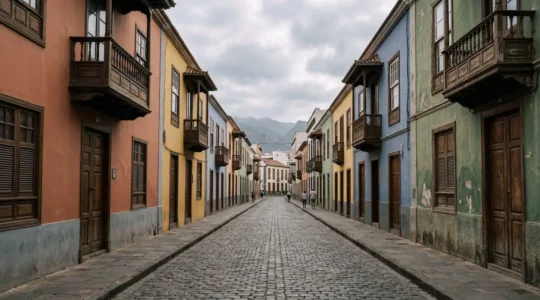
Exploring La Laguna: A Photographer’s Guide to Colonial Colours
To truly capture the essence of San Cristóbal de La Laguna, a photographer must look beyond the beautiful facades. This guide reveals that the city’s photographic soul lies not in…
Lire la suite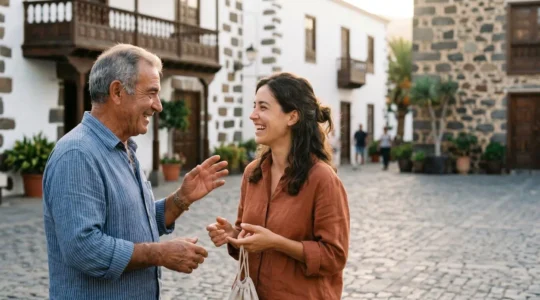
Breaking the Tourist Bubble: How to Make Genuine Connections with Canarios?
Contrary to popular travel advice, making a genuine connection with Canarios isn’t about memorizing a checklist of Spanish phrases or « going local. » It’s about a fundamental mindset shift from being…
Lire la suite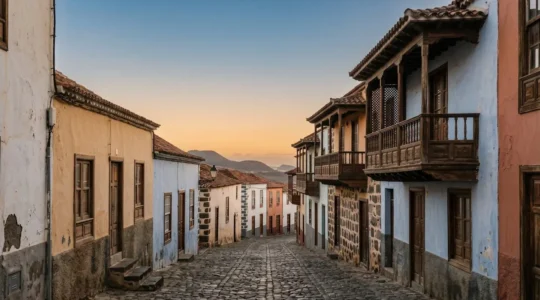
Finding Authenticity: Where to Stay to Avoid the Neon Lights of Playa de las Américas?
Finding the real Tenerife isn’t about choosing a different town; it’s about learning to read the cultural codes the tourist brochures ignore. This means distinguishing a real ‘guachinche’ from a…
Lire la suite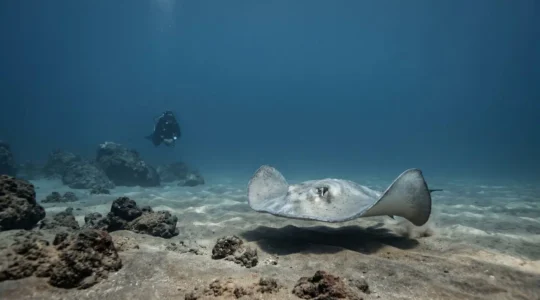
Why Feeding Stingrays at Los Cristianos Is an Unacceptable Betrayal of the Ocean
The popular stingray « encounter » at Los Cristianos is not a magical interaction with nature; it is a dangerous, man-made circus that inflicts profound and lasting harm on the animals it…
Lire la suite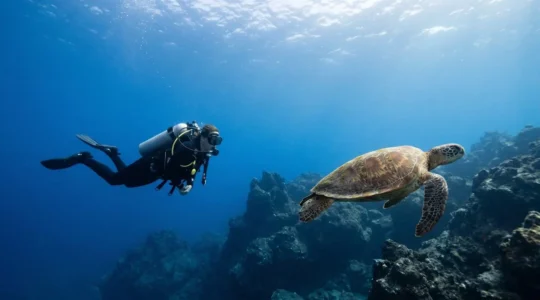
Diving in Tenerife’s Protected Zones: The Rules Every UK Diver Must Follow to Avoid Fines
Ignorance of local marine regulations in Tenerife is not a defence and can lead to severe financial penalties enforced by the Spanish authorities. Specific coastal areas are designated as protected…
Lire la suite