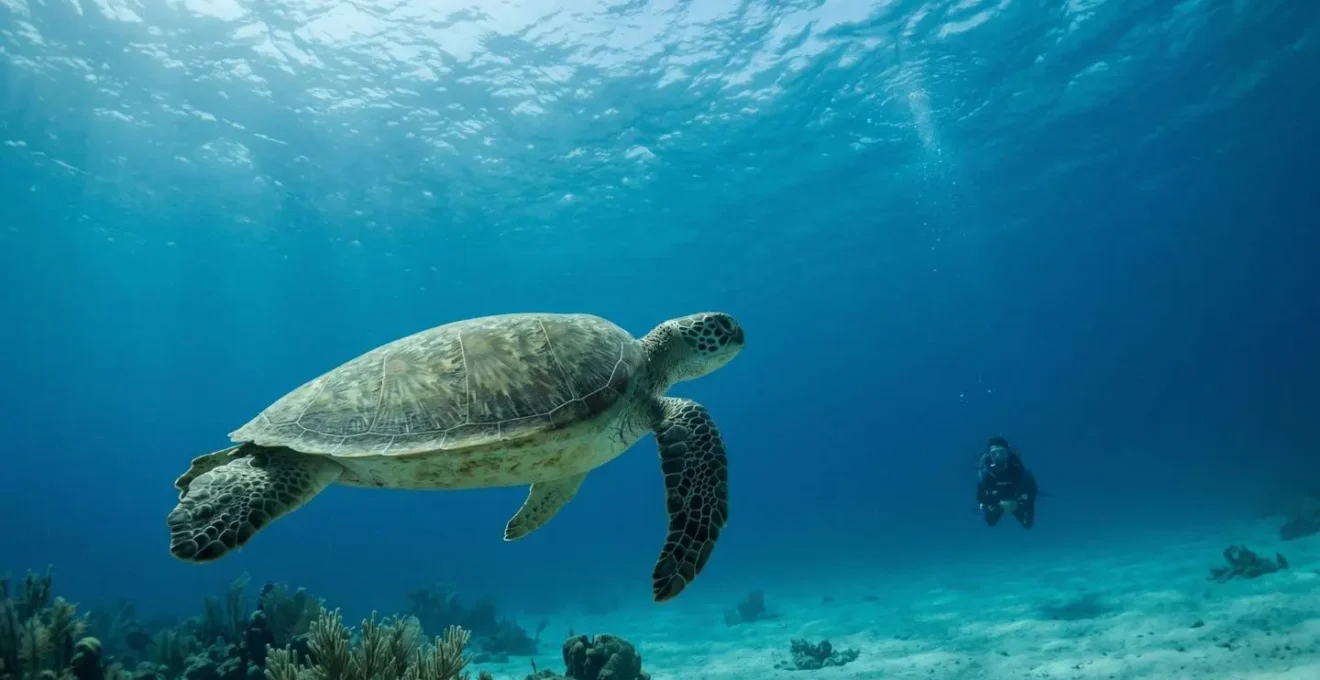
Even the most well-intentioned tourists can unknowingly stress or harm marine life. The key to truly responsible encounters isn’t just following rules, but understanding the unseen physiological impact of our presence. By learning to become a neutral observer and minimizing your sensory footprint, you can transform your interactions from a potential threat into a moment of genuine, harmless connection with the underwater world.
The moment a majestic whale breaches or a school of colourful fish glides past is pure magic. These are the experiences that define our love for the ocean. As conscious travellers, we arrive with the best intentions: to observe, appreciate, and leave no trace. We know the basic rules—don’t touch, don’t chase, keep your distance. But what if these rules are only the surface layer of a much deeper responsibility? What if the real harm is invisible?
The common advice often misses the crucial « why. » It tells us what to do but fails to explain the profound physiological effects our mere presence can have on sensitive marine creatures. This guide is different. We will move beyond the checklist and delve into the science of animal stress, the importance of an animal’s invisible biological shield, and the subtle ways our actions disrupt the delicate balance of their world. The true path to responsible marine tourism is not about restricting your experience, but about enriching it with a deeper understanding. It’s about shifting your mindset from a simple spectator to a conscious, respectful guest in their home.
Throughout this guide, we’ll explore the science behind responsible interactions, the practical skills needed for static observation, and how to identify truly eco-conscious operators, using specific examples like the Green Star programme in Tenerife. By the end, you won’t just know the rules; you’ll understand the principles that empower you to protect the wildlife you so deeply admire.
Summary: A Guide to Harmless Marine Animal Encounters
- Why Human Stress Kills Sensitive Marine Life?
- How to Control Buoyancy for Static Observation Without Crashing?
- The ‘No Touch’ Rule Explained: Why Mucus Layers Matter?
- The Risk of Flash Photography Scaring Nocturnal Species
- How to Choose Eco-Friendly Operators That Respect Wildlife Distances?
- How to Identify a Green Star Awarded Dive Centre in Tenerife?
- Refill Stations: Where to Get Drinking Water Without Buying Plastic Bottles?
- Reducing Your Carbon Footprint: How to Be a Greener Tourist in Tenerife?
Why Human Stress Kills Sensitive Marine Life?
When we get too close to wildlife, our presence is often interpreted as a threat, triggering a classic « fight or flight » response. This isn’t just a fleeting moment of fear; it’s a profound physiological event. The animal’s body is flooded with stress hormones like cortisol. While this is a natural survival mechanism, repeated or prolonged exposure to tourists can lead to chronic stress. This invisible impact has severe consequences, weakening an animal’s immune system, disrupting its feeding and breeding patterns, and ultimately reducing its chances of survival. It’s a silent killer, and it’s driven by our proximity.
Scientific research provides stark evidence of this phenomenon. A detailed analysis using fecal glucocorticoid metabolites has shown that wildlife in tourist-heavy areas exhibit higher cortisol concentrations and are quicker to flee than animals in less disturbed locations. This isn’t just a behavioural quirk; it’s a measurable sign of chronic stress. This data is so critical that park managers now use it to establish minimum observation distances and limit visitor numbers, directly linking tourism pressure to animal welfare. The goal is to keep wildlife below this stress threshold.
The impact goes beyond just hormones. As experts in the Conservation Biology Journal note, this fear-induced response has tangible fitness costs. As they state in their research on how tourism can elicit antipredator responses from wildlife, the energy an animal expends avoiding perceived threats is energy it cannot use for finding food, caring for its young, or migrating. Over time, these small energy deficits accumulate, weakening the individual and, by extension, the entire population. Understanding this cascade effect is the first step toward becoming a more responsible observer.
How to Control Buoyancy for Static Observation Without Crashing?
For divers, the single most important skill for responsible wildlife encounters is masterful buoyancy control. It is the foundation of becoming a neutral observer. Poor buoyancy control leads to flailing arms, kicking up sand, and, worst of all, accidental contact with fragile ecosystems like coral reefs. The goal is to achieve a state of perfect trim—a horizontal, completely still position in the water. This is the Zone of Neutrality, where you are neither ascending nor descending, allowing you to observe marine life without causing disturbance or damage. It requires practice, proper weighting, and conscious breathing.
As the image above illustrates, achieving this stillness allows you to become part of the background. Animals are less likely to perceive you as a threat when you are motionless and predictable. To achieve this, divers should keep their hands clasped or arms folded, resisting the urge to point or gesture wildly. Your movements should be slow, deliberate, and minimal. This level of control demonstrates respect for the underwater environment and is the hallmark of a truly advanced and eco-conscious diver. It transforms you from a clumsy intruder into a silent, welcome guest.
This principle of predictable, calm behaviour extends to surface encounters as well. For boaters, this means slowing to a no-wake speed long before you reach the animals. If whales or dolphins approach your vessel, the correct action is to put the engine in neutral and allow them to control the interaction. Chasing, encircling, or leapfrogging marine mammals creates a chaotic and stressful environment, disrupting their natural behaviour. True respect is shown by yielding the right of way and letting the animals choose the proximity and duration of the encounter.
The ‘No Touch’ Rule Explained: Why Mucus Layers Matter?
The « no touch » rule is the most fundamental tenet of marine wildlife interaction, yet the reason behind it is often misunderstood. It’s not just about avoiding startling an animal; it’s about protecting its health. Many marine creatures, especially fish and corals, are covered in a thin layer of mucus. This slime is not just slime; it is a critical biological shield. It serves as their primary defence against bacteria, parasites, and infections, much like our own skin. When we touch them, our hands strip away this protective layer, leaving them vulnerable to a host of diseases.
Furthermore, the oils and bacteria on our skin are foreign to their systems and can cause direct harm. For corals, a simple touch can kill the tiny polyps that build the reef structure, leaving a dead spot that can take years to recover, if ever. Touching a sea turtle can transmit diseases and cause immense stress, disrupting their navigation and feeding. The damage caused by a single touch, motivated by curiosity, can be a death sentence. The best way to show your admiration is with your eyes, not your hands.
In our modern world, there’s another layer to this problem: the influence of social media. Viral photos and videos of people getting extremely close to or even touching marine life create a dangerous precedent. These images, often shared without context, can unintentionally normalize harmful behaviour. Others may then try to replicate these « perfect shots, » pushing boundaries and ignoring regulations in the process. This creates a feedback loop where the desire for a viral moment trumps the well-being of the animal. As a conscious traveller, it’s vital to resist this pressure and instead promote imagery that showcases respectful distances and responsible interactions.
The Risk of Flash Photography Scaring Nocturnal Species
Our impact on marine life extends beyond physical presence and touch. We must also consider our sensory footprint—the noise and light we introduce into their environment. For many underwater species, especially nocturnal ones that are active during night dives, a sudden burst of bright light from a camera flash can be disorienting and terrifying. It can temporarily blind them, making them vulnerable to predators, or cause them to flee from their shelters, disrupting vital resting or hunting behaviours. Natural light is always the best option. If you must use artificial light, opt for a constant video light instead of a flash and avoid shining it directly into an animal’s eyes.
Noise is an equally disruptive, yet often overlooked, part of our sensory footprint. The underwater world is a soundscape, and many marine animals, particularly mammals like whales and dolphins, rely on sound for communication, navigation, and hunting. The noise from boat engines, jet skis, and even loud groups of swimmers can drown out these vital sounds. This forces them to expend more energy to communicate or can cause them to abandon important habitats altogether. Reducing speed, using quieter engines, and maintaining a calm demeanour on board are all crucial steps in minimizing your acoustic impact.
Ultimately, becoming a responsible observer means being acutely aware of every signal you send out. It’s about more than just not touching; it’s about not startling, not blinding, and not deafening. By consciously managing your light and sound, you significantly reduce your overall disturbance and help preserve the natural behaviours of the animals you’ve come to see.
Your Action Plan: Key Steps for Responsible Marine Viewing
- Limit Viewing Time: Keep your observation of any individual or group to 30 minutes or less to minimize cumulative stress.
- Keep Pets at a Distance: Never allow pets to approach marine life. Wild animals can injure pets, and diseases can be spread in both directions.
- Never Feed Wildlife: Feeding marine animals is illegal in many places and harmful. It alters their natural foraging behaviour, can make them sick, and leads to dangerous habituation.
- Report Violations: If you witness anyone harassing, disturbing, or attempting to harm a marine mammal or sea turtle, report the incident to the proper authorities, such as NOAA’s National Enforcement Hotline at (800) 853-1964 in the U.S.
- Mind Your Fins: When snorkelling or diving near coral reefs, be constantly aware of your body and equipment. A single kick or misplaced hand can destroy decades of coral growth.
How to Choose Eco-Friendly Operators That Respect Wildlife Distances?
One of the most impactful choices you can make as a marine tourist is selecting the right tour operator. A responsible company acts as a steward of the environment and will prioritize the well-being of wildlife over getting a closer look for their clients. But how do you identify them? Look for operators who are transparent about their conservation policies. Do they brief you on responsible viewing guidelines before the tour? Do their guides actively enforce respectful distances? A great operator will educate you, turning your trip into a lesson in marine conservation.
Look for certifications and partnerships with conservation organizations. Accreditations like the PADI Eco Center designation (which we’ll explore next) or affiliations with local research groups are strong indicators of a genuine commitment. Beware of operators who guarantee close encounters or « swimming with dolphins » experiences, as these often involve chasing and harassing animals. A truly eco-friendly operator knows that the most magical encounters are the ones that happen naturally, on the animal’s own terms. They position their vessel to allow for great viewing while giving the animals ample space, as shown in the picture above.
Responsible wildlife viewing isn’t about missing out. By observing without altering an animal’s natural behaviour, we help ensure they remain truly wild, now and for generations to come.
– Kingfisher Wilderness Adventures, The Dos and Don’ts of Respectful Marine Wildlife Viewing
By choosing an operator who shares your values, you vote with your wallet for a more sustainable form of tourism. You support businesses that protect the very resource their livelihood depends on, ensuring that these incredible animals will continue to thrive for future generations to enjoy.
How to Identify a Green Star Awarded Dive Centre in Tenerife?
While the principles of responsible tourism are universal, specific destinations often have programmes to help you identify the best operators. In a diving hotspot like Tenerife, a key indicator to look for is the PADI Eco Center designation. This is not a simple marketing badge; it represents a significant and verified commitment to conservation and sustainable business practices. These dive centres are on the front line of ocean protection, actively participating in citizen science and conservation efforts.
The PADI Eco Center award is granted in partnership with The Reef-World Foundation’s Green Fins initiative, ensuring adherence to a globally recognized environmental code of conduct. To qualify, a dive centre must demonstrate outstanding environmental performance. This includes everything from implementing a strict no-touch policy and providing conservation-focused briefings to participating in the PADI AWARE ‘Adopt the Blue’ programme, where they take responsibility for monitoring and protecting a local dive site. The integrity of the programme is maintained because PADI does not manage the environmental data themselves; that responsibility is handled by the independent Green Fins initiative to ensure impartiality.
Choosing a PADI Eco Center in Tenerife means you’re supporting a business that is actively working to protect the marine environment you’ve come to explore. This choice is more important than ever. According to a 2022 study by The Reef-World Foundation, while 95% of divers state a preference for sustainable operators, they often struggle to identify them. Looking for the PADI Eco Center or Green Fins logo is a clear, trustworthy way to bridge that gap and ensure your tourism dollars support a healthy ocean.
Key Takeaways
- Understand Invisible Stress: Your proximity can trigger harmful stress hormones in wildlife, even without contact. True respect means minimizing this physiological impact.
- Master Your Presence: Whether by controlling your buoyancy as a diver or your boat’s speed, becoming a calm, predictable, and neutral observer is your most important skill.
- Choose Certified Stewards: Vet tour operators by looking for concrete evidence of their commitment, such as the PADI Eco Center designation, which requires verified environmental performance.
- Expand Your Impact: Responsible tourism extends beyond the encounter itself to include reducing your plastic waste and overall carbon footprint, which directly affects marine ecosystem health.
Refill Stations: Where to Get Drinking Water Without Buying Plastic Bottles?
A responsible marine encounter begins long before you get in the water. It starts with the choices we make on land, and one of the most significant is our consumption of single-use plastics. Plastic bottles are a primary source of marine pollution. They break down into microplastics, which are ingested by marine life, causing internal injury, starvation, and contamination that moves up the entire food chain. The scale of the problem is staggering; research by CSIRO shows that almost 10% of annual plastic production ends up in our oceans.
The solution is simple and powerful: carry a reusable water bottle. In destinations like Tenerife and many other coastal tourist areas, there is a growing network of water refill stations. These can be found in hotels, cafes, dive centres, and public spaces. Apps like Refill and websites dedicated to sustainable travel can help you locate these stations. Before your trip, research the availability of safe, drinkable tap water and refill points at your destination. By making a conscious plan to avoid buying plastic bottles, you prevent waste from ever having the chance to reach the ocean.
This single change in habit has a massive ripple effect. It reduces the demand for plastic production, lessens the load on local waste management systems (which are often overwhelmed in tourist areas), and directly protects marine animals from the threat of plastic pollution. It is one of the easiest and most impactful ways to align your actions with your values as a conscious traveller. Your reusable bottle becomes a statement—a symbol of your commitment to a plastic-free sea.
Reducing Your Carbon Footprint: How to Be a Greener Tourist in Tenerife?
The final piece of the puzzle in protecting marine ecosystems is acknowledging the broader impact of our travel: our carbon footprint. Climate change is the single greatest long-term threat to ocean health, leading to coral bleaching, ocean acidification, and altered marine habitats. While your individual trip may seem small in the grand scheme of things, the collective impact of tourism is enormous. Being a truly green tourist in a place like Tenerife means thinking about how you get there and how you get around.
Consider choosing direct flights to reduce fuel consumption and look into airlines with robust carbon offsetting programmes. Once on the island, opt for more sustainable modes of transport. Use public buses (known as ‘guaguas’), rent a bicycle to explore coastal paths, or choose an electric or hybrid rental car. Many hotels and resorts are also making strides in sustainability, using renewable energy, implementing water-saving measures, and sourcing food locally. Supporting these businesses helps drive the entire industry toward a lower-carbon model.
Ultimately, being a greener tourist is about making a series of small, conscious decisions that add up to a significant positive impact. It’s about seeing the connection between the flight you book, the bottle you drink from, the operator you choose, and the health of the whale shark you hope to see. It’s a holistic approach that transforms you from a mere visitor into a genuine steward of the incredible places you are privileged to experience.
Adopt this mindset of conscious observation and holistic responsibility on your next journey. By understanding your impact—both seen and unseen—you can ensure your encounters are a source of joy for you and a moment of peace for the magnificent creatures of the sea.